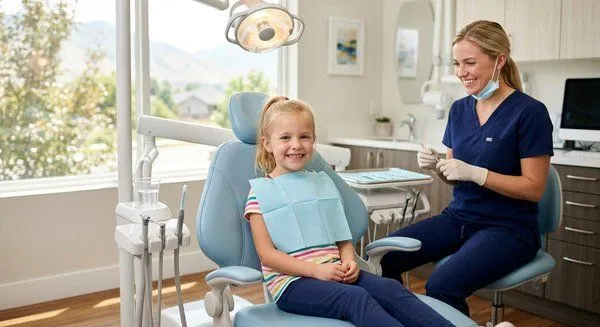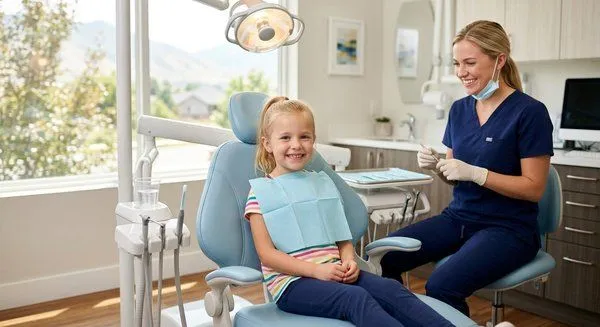


Utah's fluoride ban has changed the rules for protecting your child's smile. Parents across Weber County need to know what that means for their kids' teeth right now.
If you have young children in West Haven, Roy, or the surrounding communities, this shift affects your family directly.
Meyer Family Dental Roy Utah wants every parent to understand the new reality and what proactive steps can make a lasting difference.
What the Fluoride Ban Actually Means for Local Kids
Fluoride has long been a quiet defender of children's teeth. It works by strengthening enamel and slowing the growth of decay-causing bacteria. When it flows through public drinking water, it provides passive protection every single day.
That protection is now gone in Utah. The state enacted a ban on fluoride in public drinking water, and the consequences are already a concern for dental professionals statewide. Without it, teeth are left more vulnerable to acid attacks from sugary drinks and starchy snacks.
The numbers tell a serious story. Historically, nearly two-thirds of Utah children aged 6 to 9 have experienced cavities. That figure already sits well above the national target of keeping that rate below 49%. Removing fluoride from the water supply is unlikely to push that number in a better direction.
Why West Haven and Roy Families Feel This Impact
Children in Weber County communities like West Haven, Hooper, and Clinton tend to be active, busy kids. School lunches, after-school sports, and snacks on the go all expose teeth to sugar repeatedly throughout the day. Without the steady reinforcement of fluoridated water, each exposure carries a higher risk.
Utah ranks 29th overall in dental health among all states. That ranking reflects a population that already faces challenges. Losing a key preventive tool raises the stakes for every family choosing where to focus their health efforts.
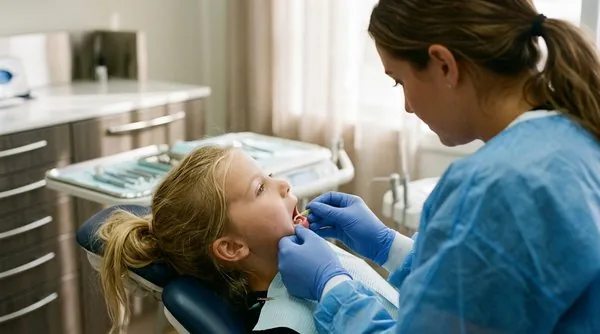
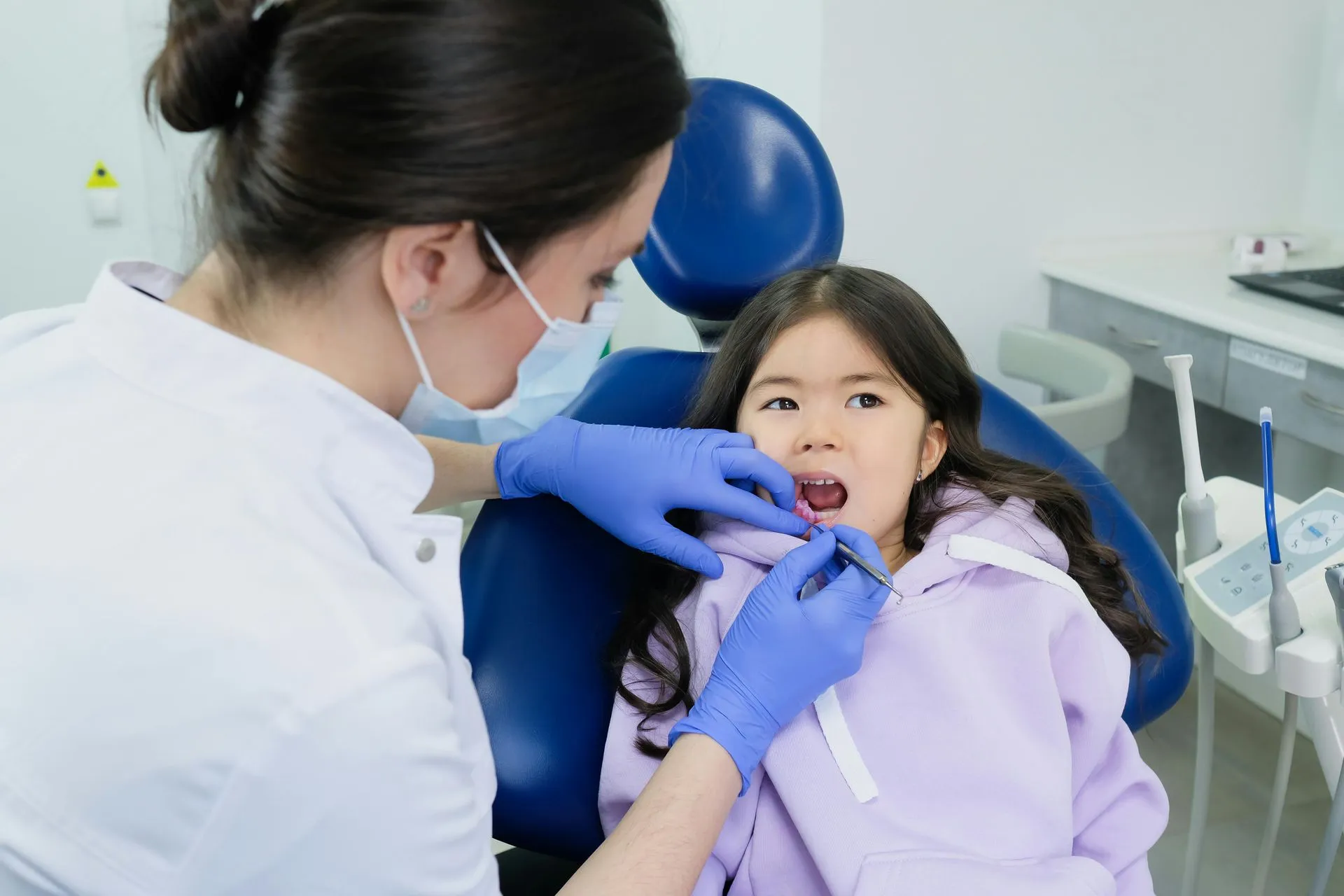
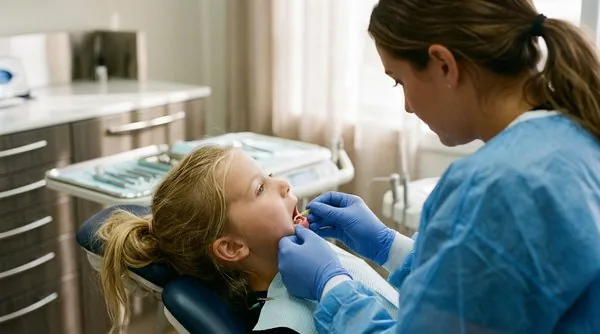
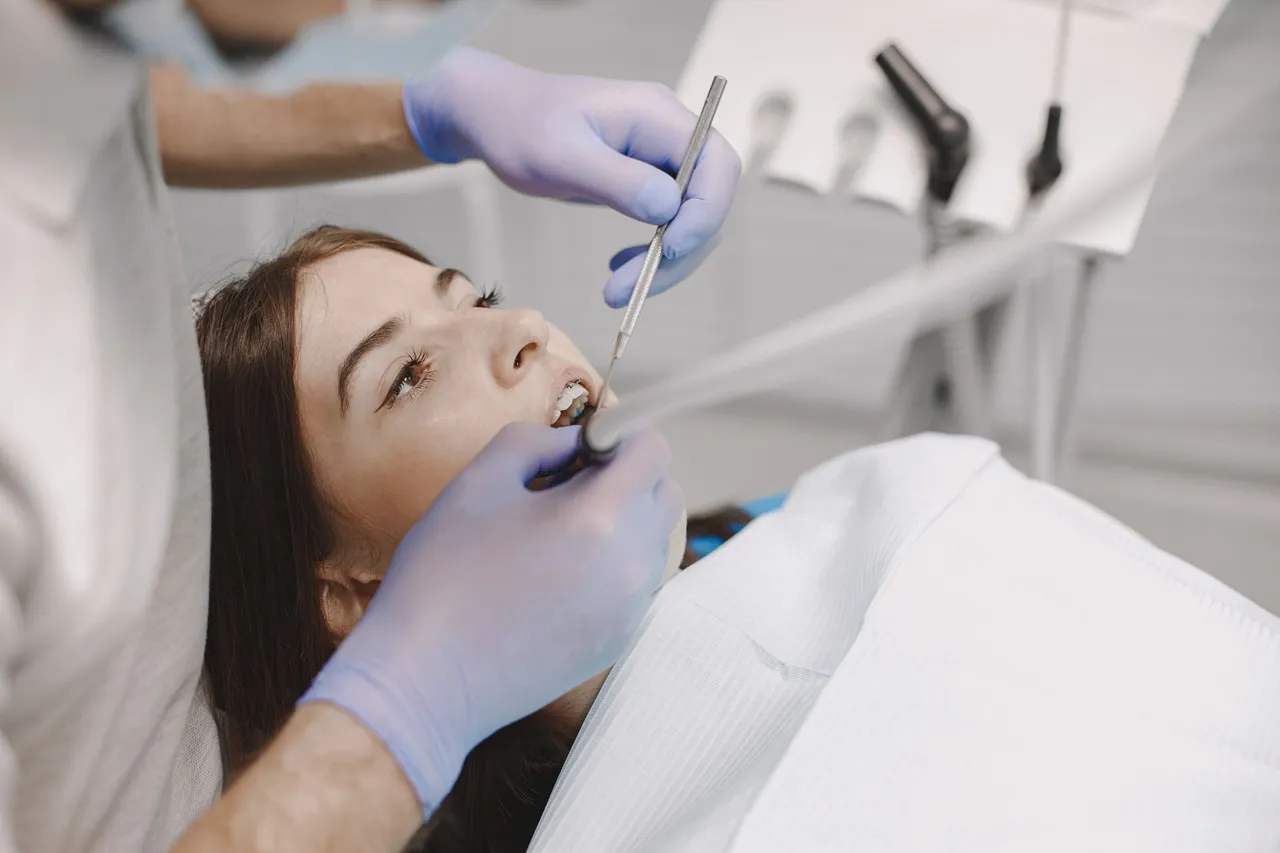
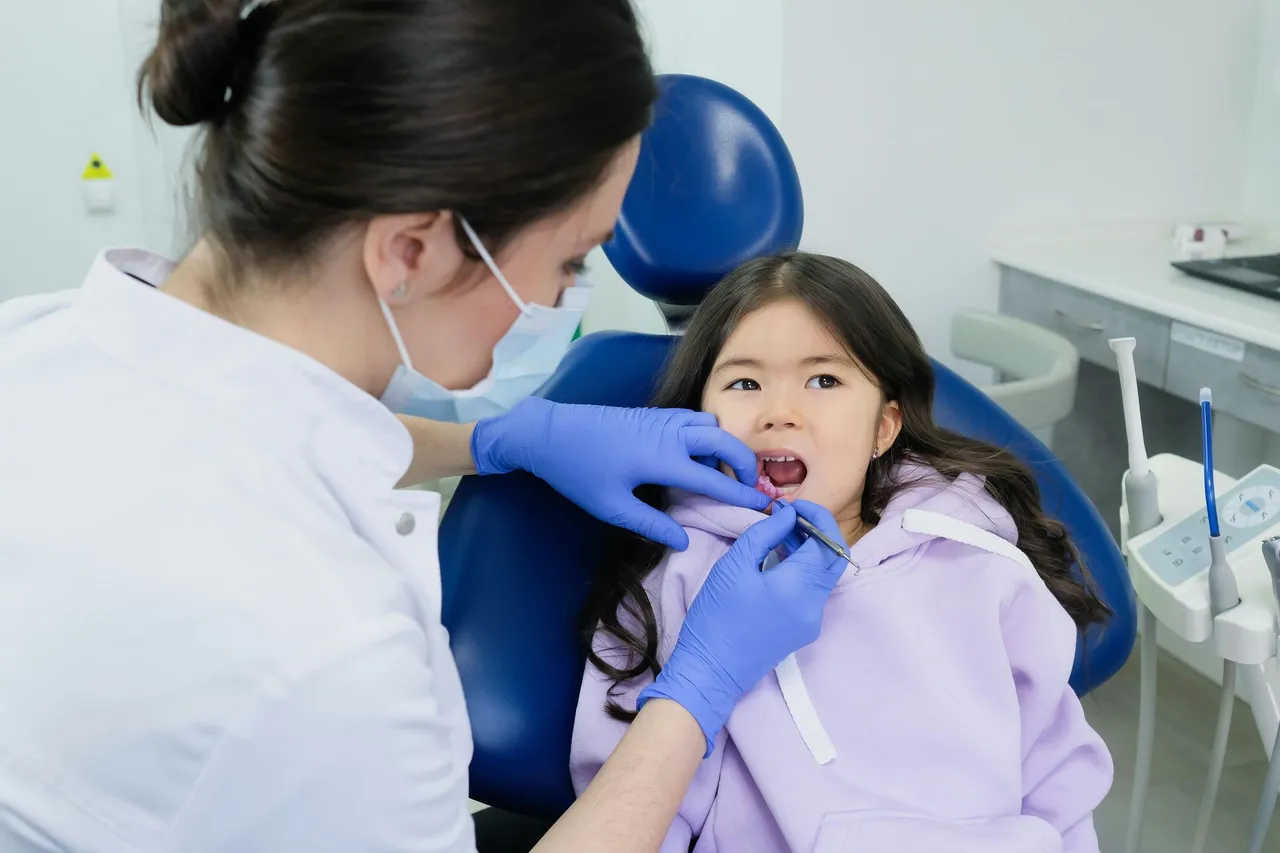
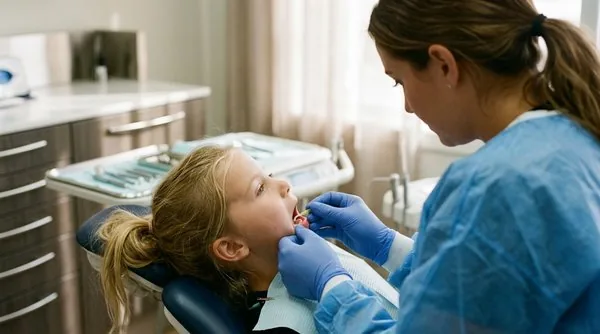
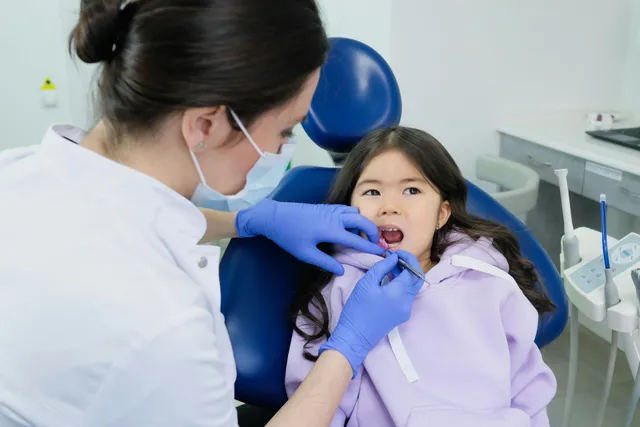
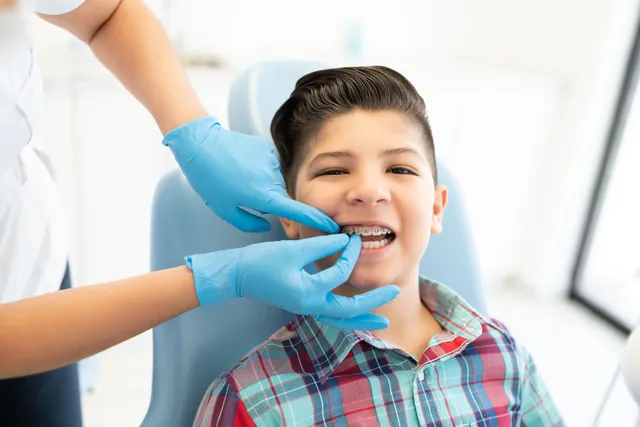
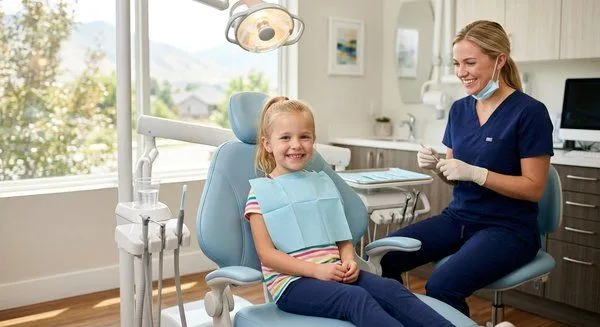
Pediatric dentistry in West Haven steps in exactly where the fluoride gap opens up. Professional care can replicate and even exceed what fluoridated water provided.
What In-Office Pediatric Care Can Do That Water Cannot
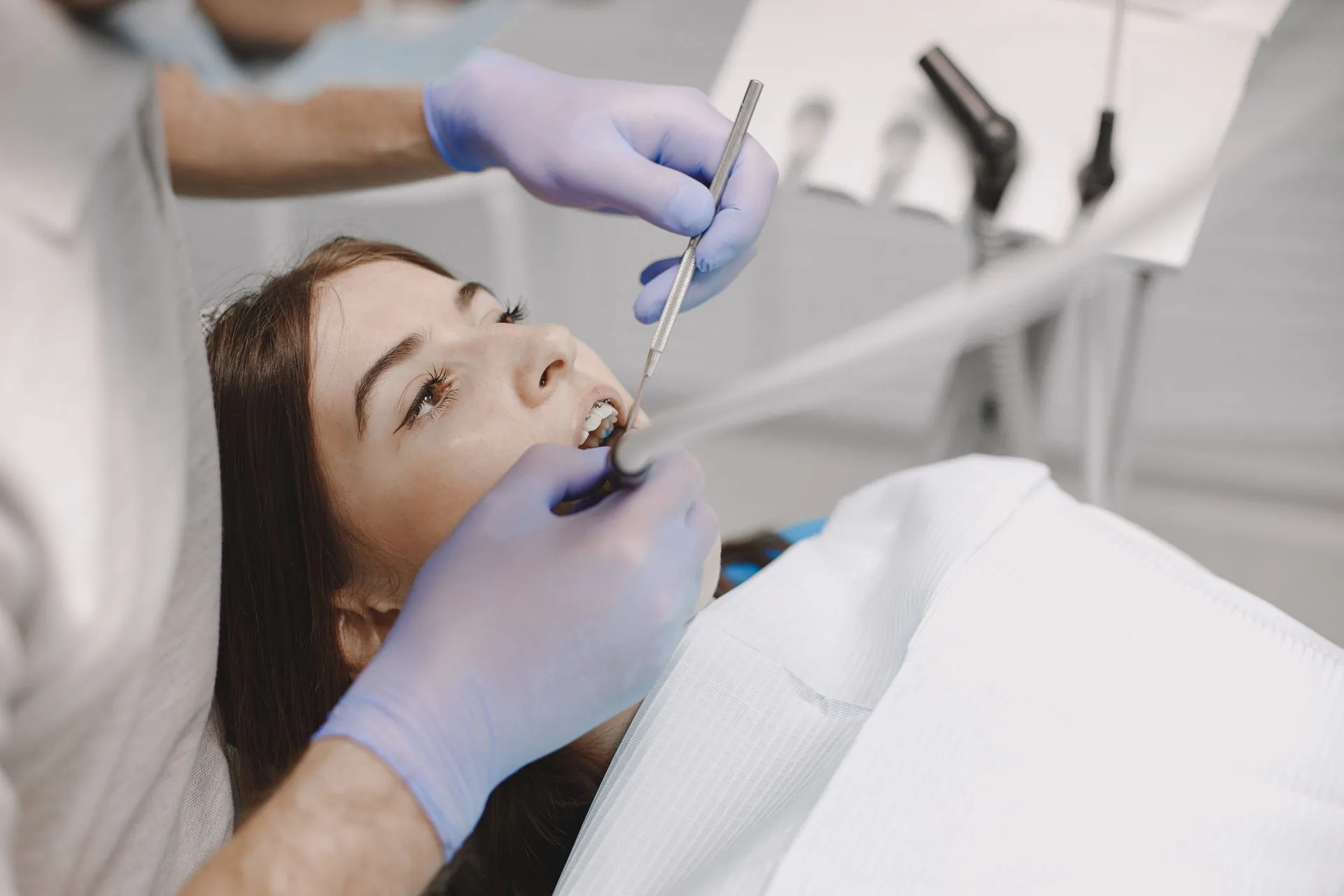
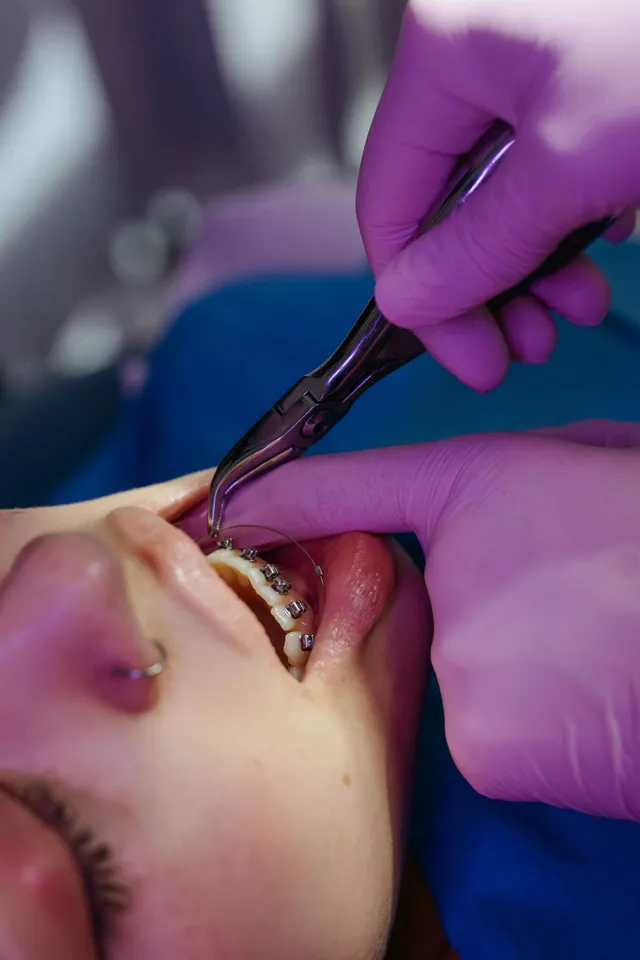
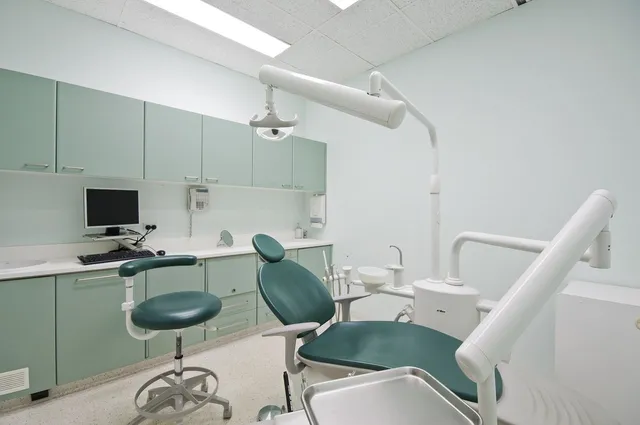
A dental office offers targeted, concentrated treatment.
Here is what professional pediatric visits provide that no home habit can fully replace:
- Professional fluoride applications: Applied directly to tooth surfaces, these treatments deliver a much higher concentration than drinking water ever could.
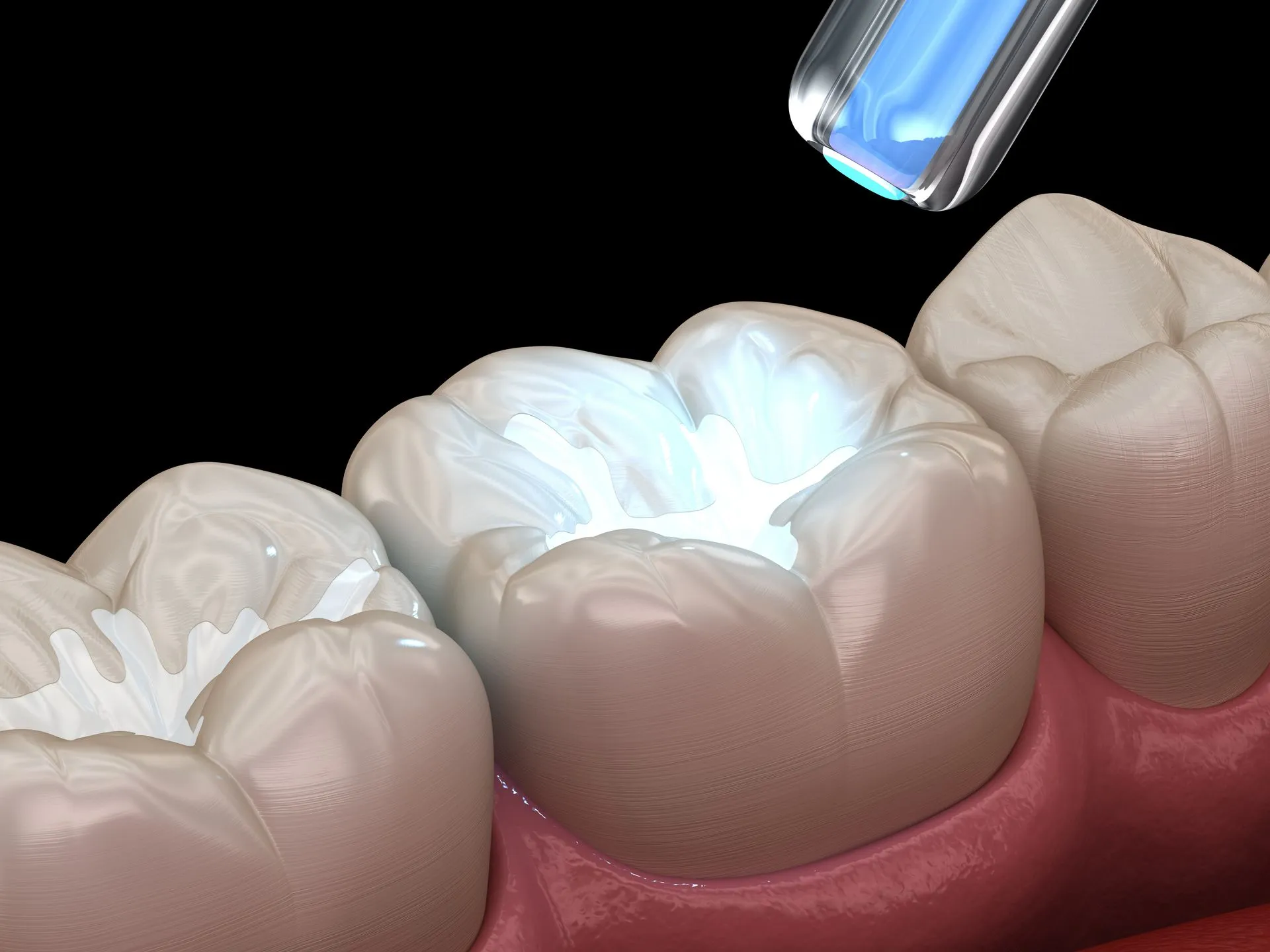
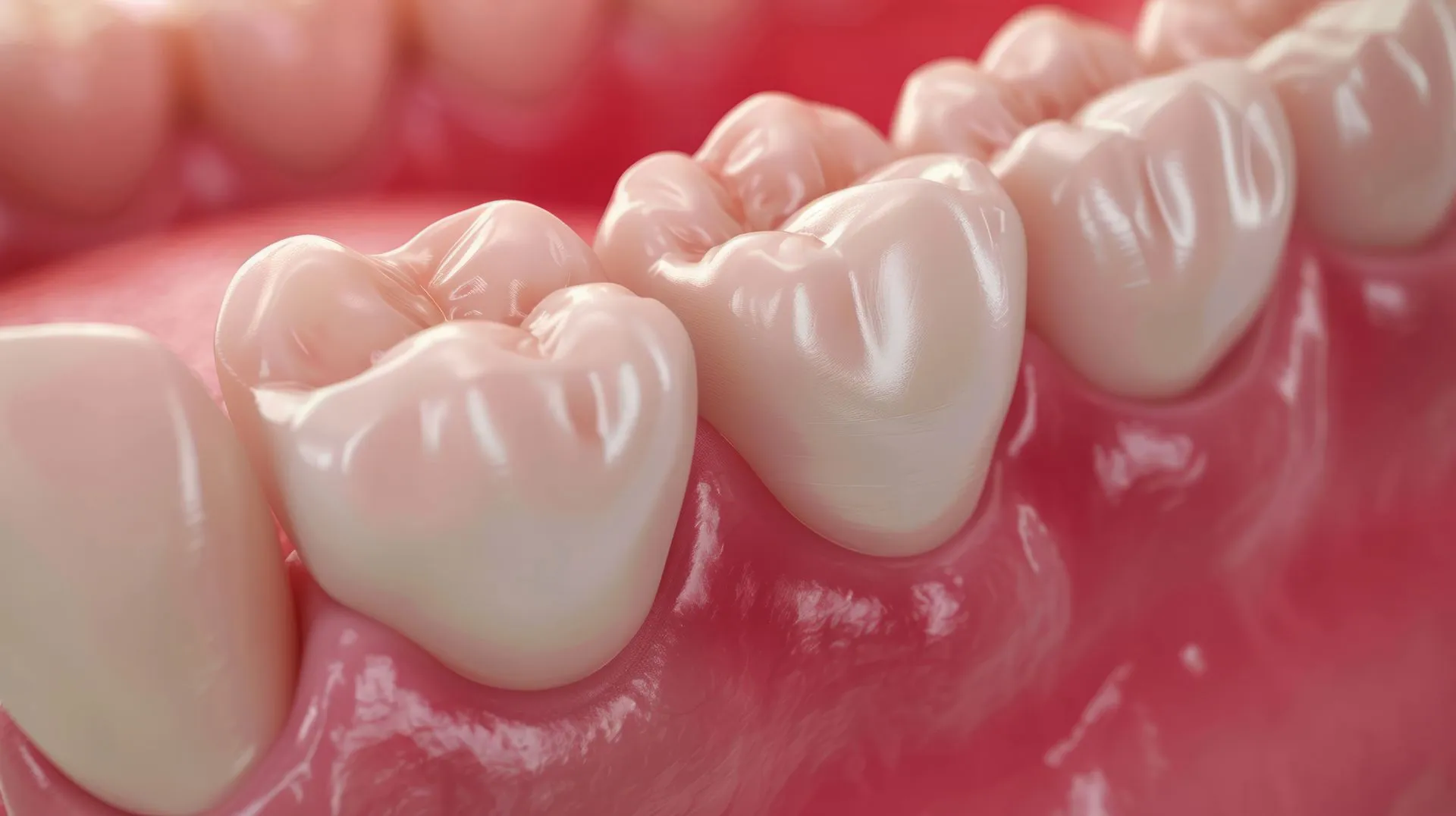
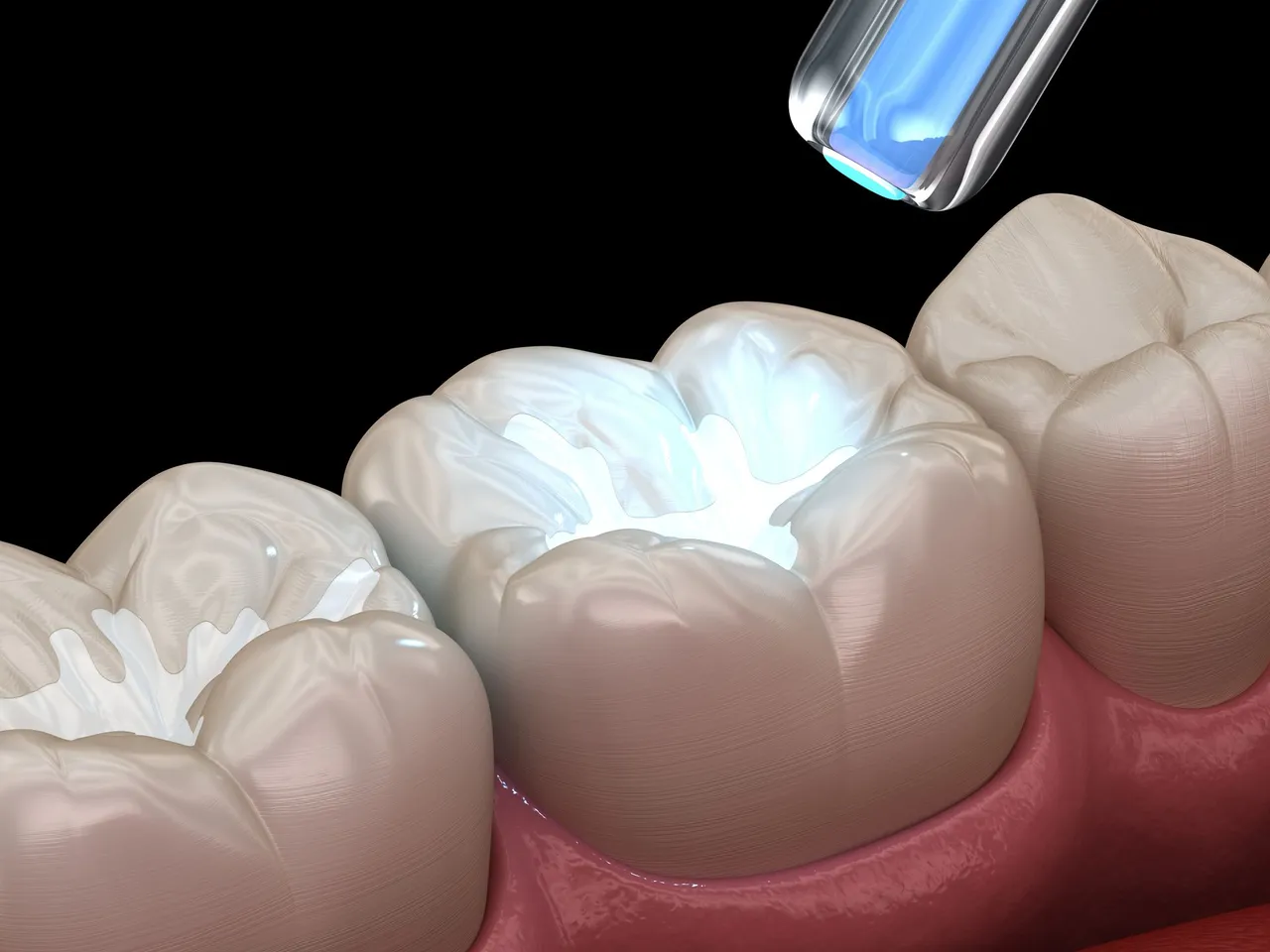
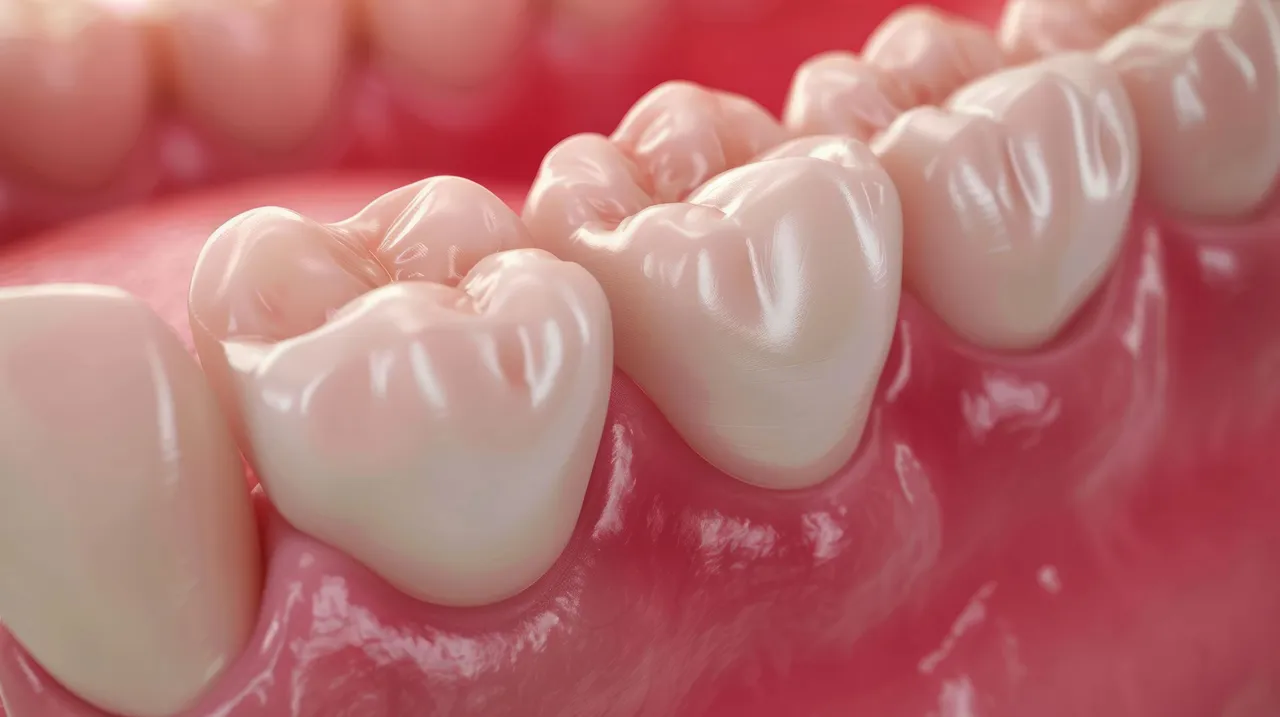
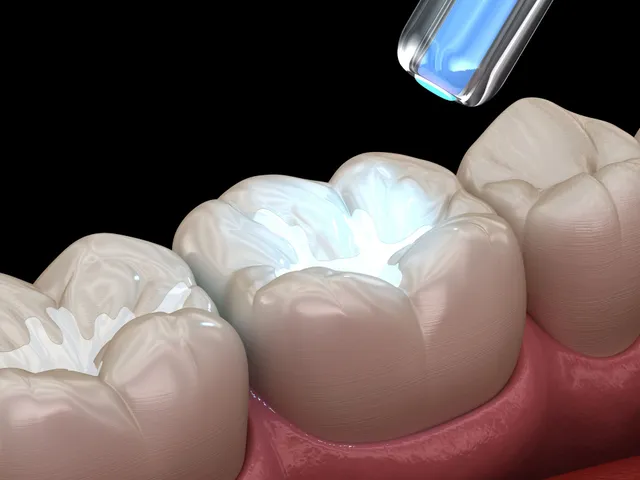
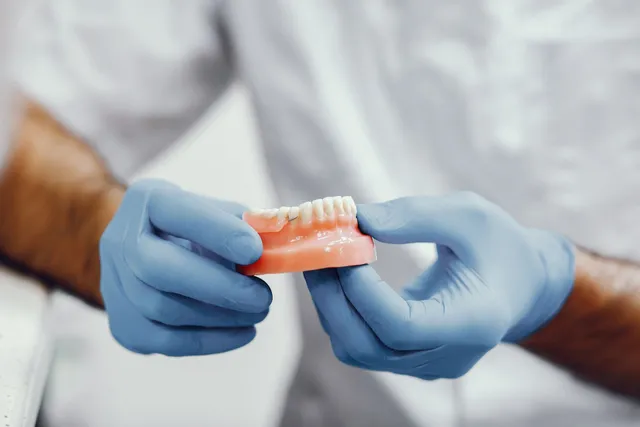
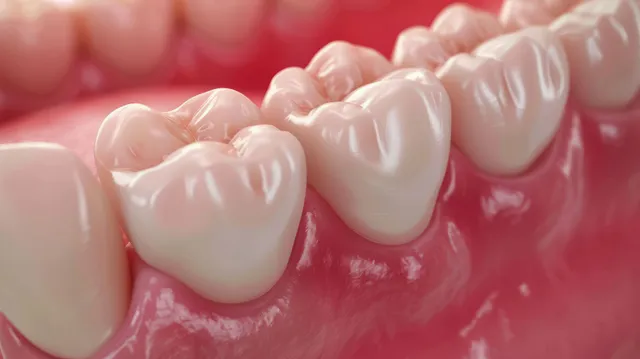
- Dental sealants: A thin protective coating painted over the chewing surfaces of back teeth, where most childhood cavities form. Sealants physically block food and bacteria from settling into the grooves.
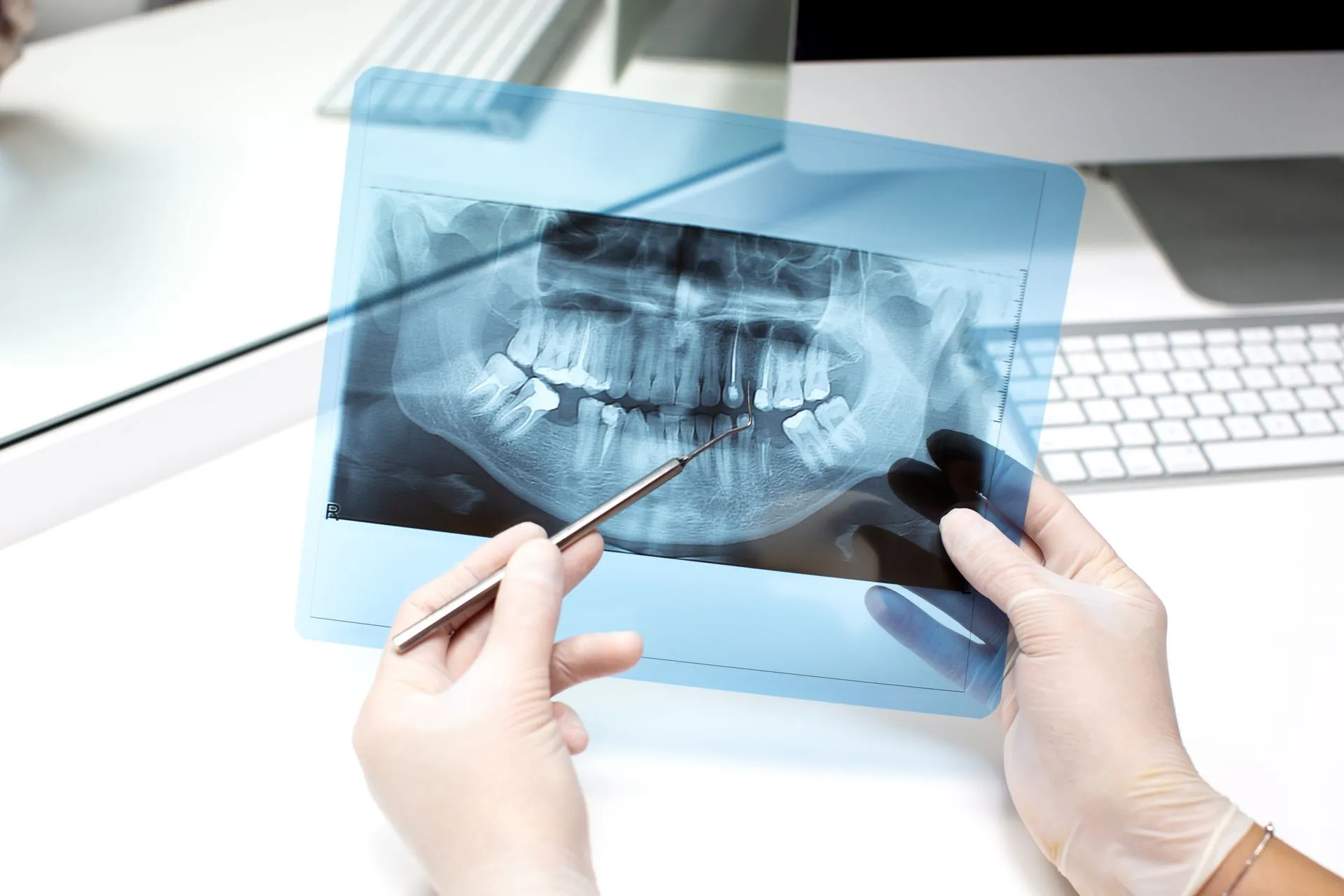
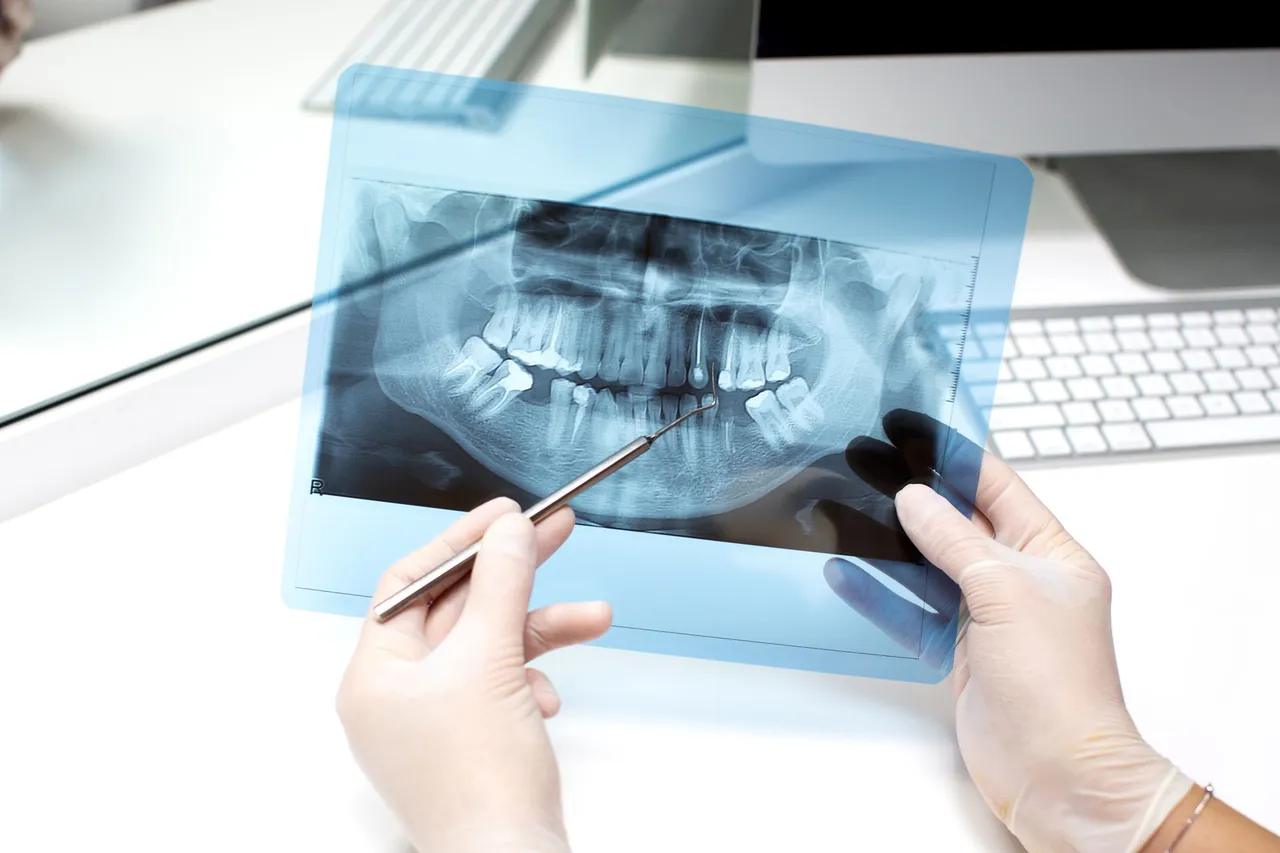
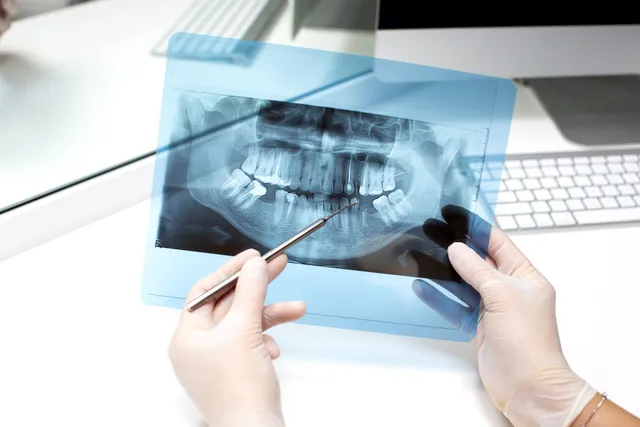
- Early cavity detection: Small spots of decay are easy to treat. Left alone, they grow into painful infections that require fillings or more complex procedures.
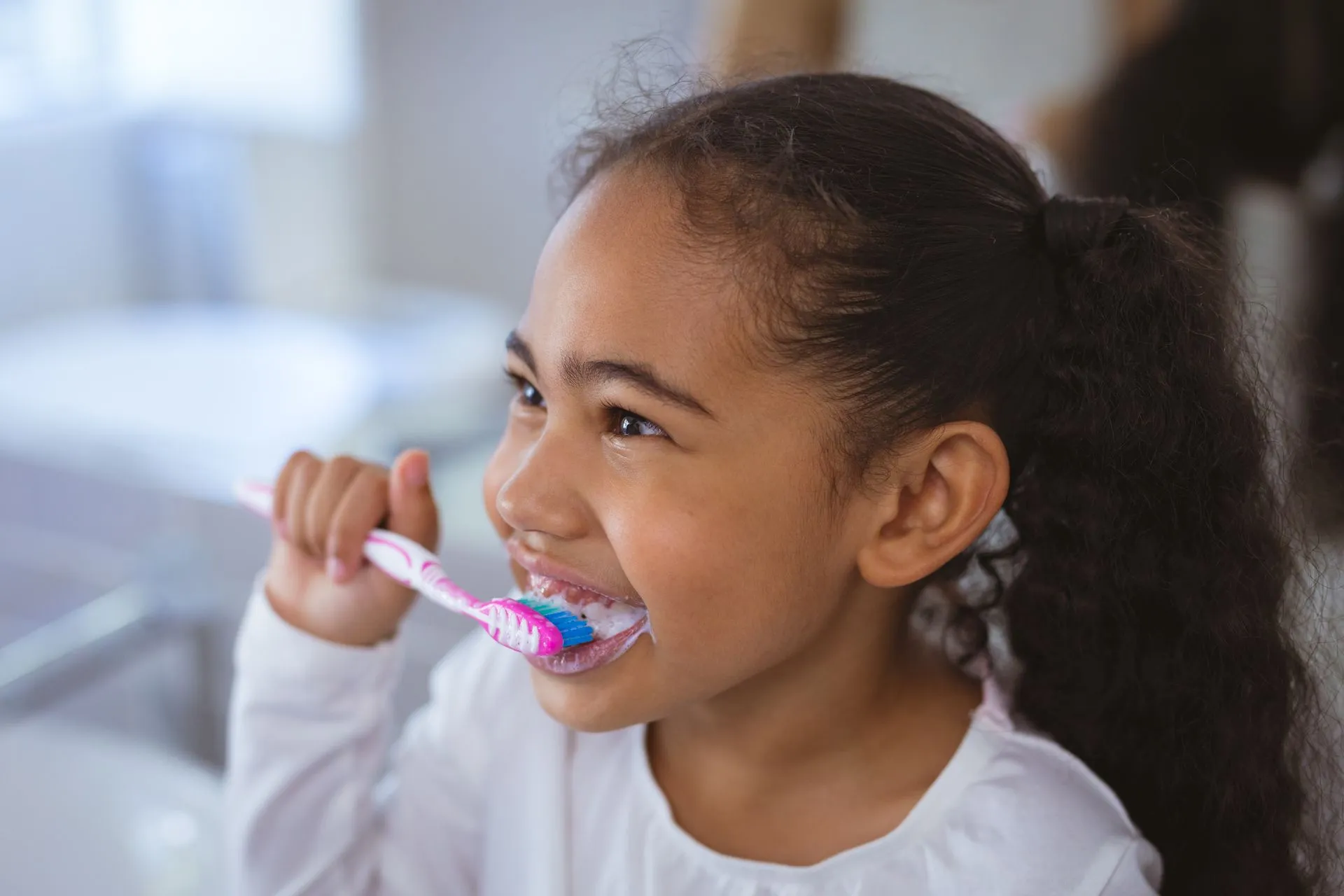
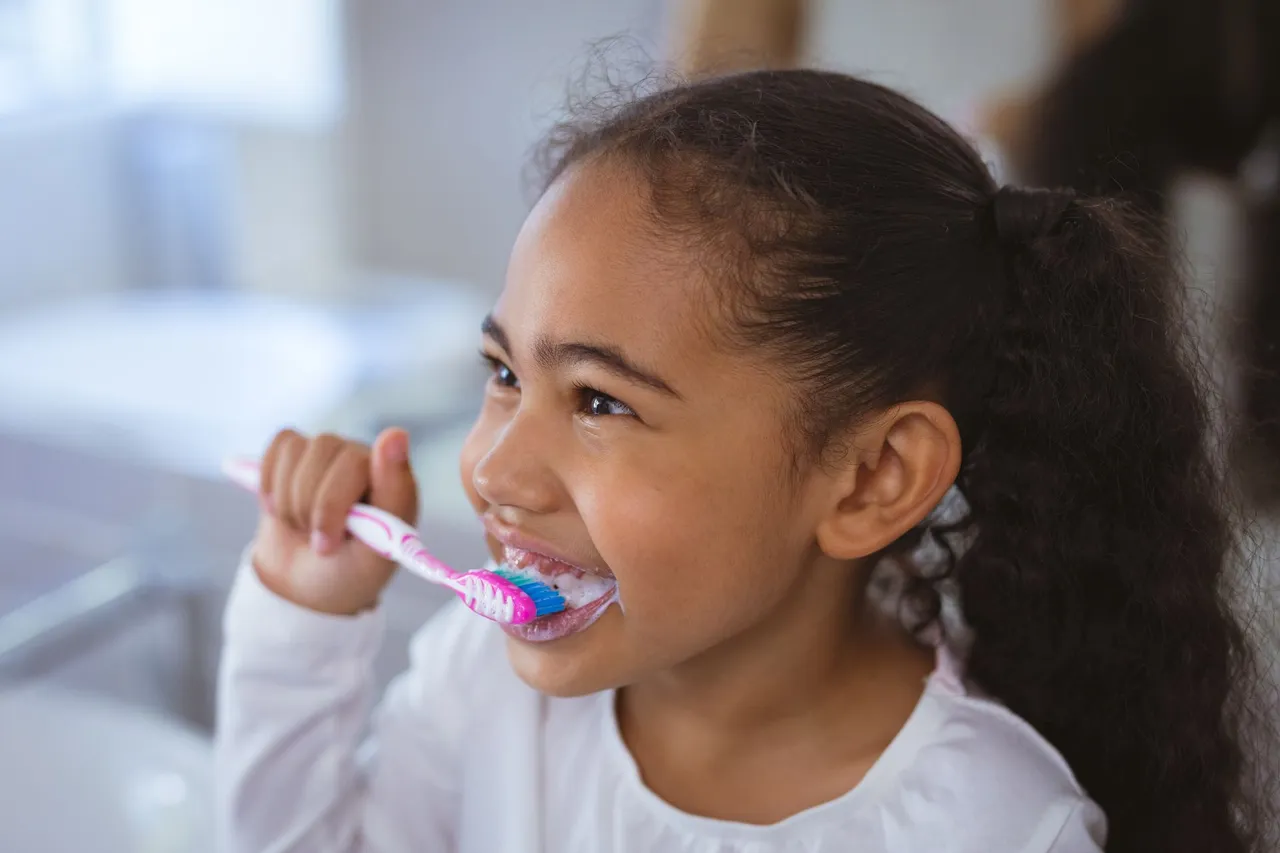
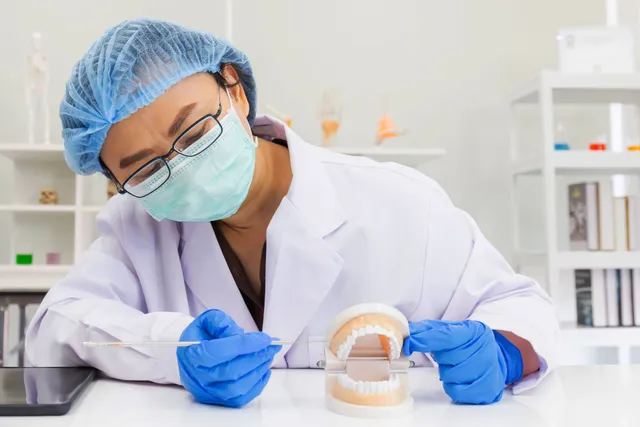
- Personalized hygiene coaching: A hygienist can show children the exact spots they are missing when they brush, building lifelong habits.
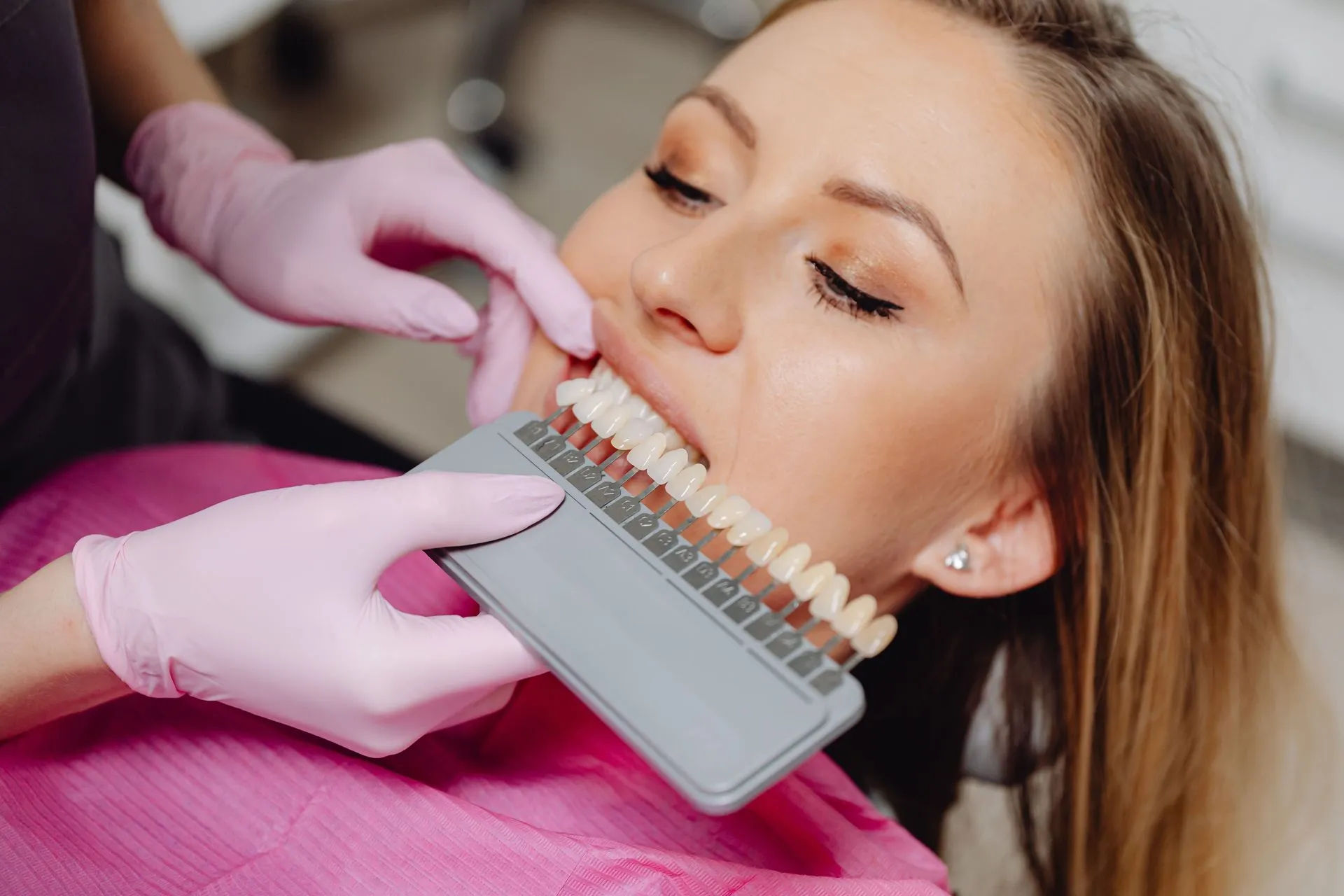
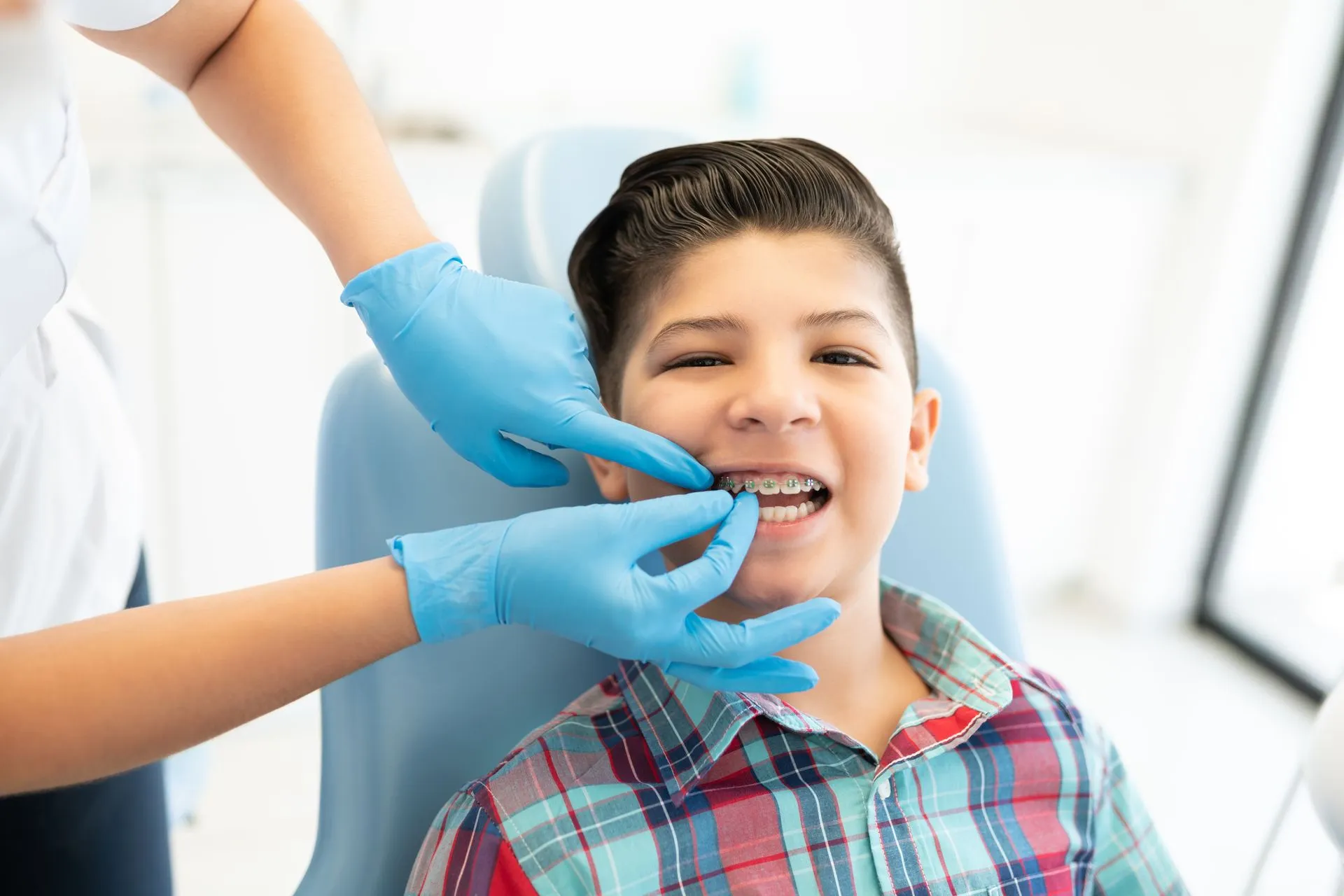
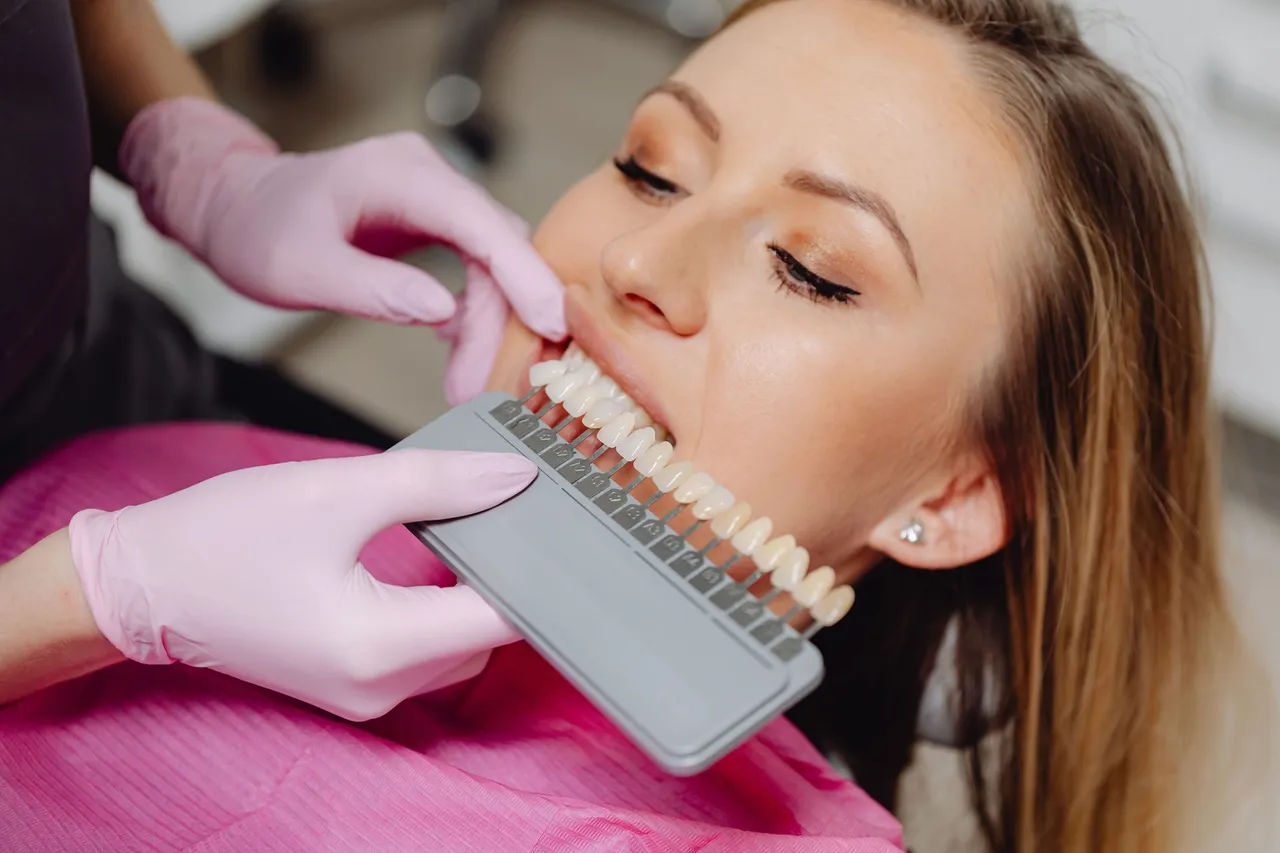
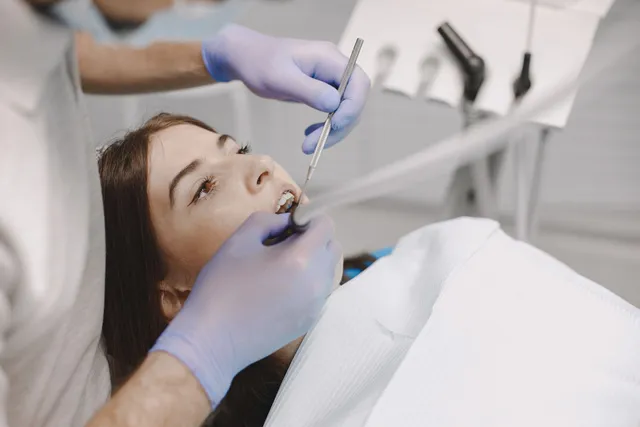
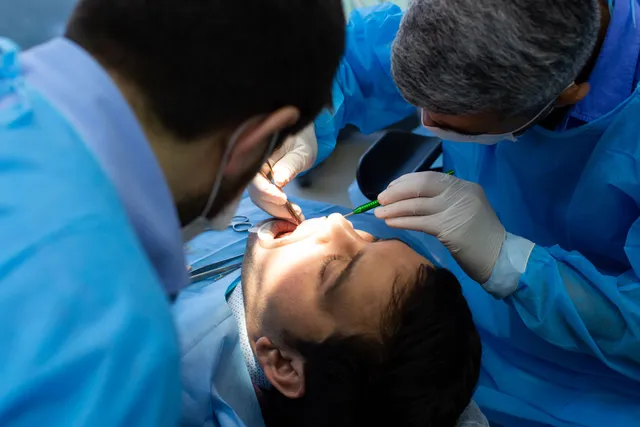
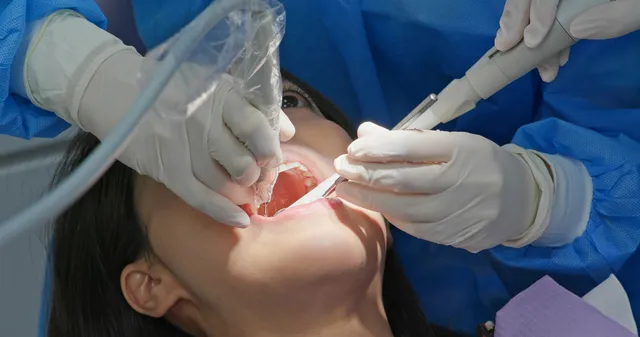
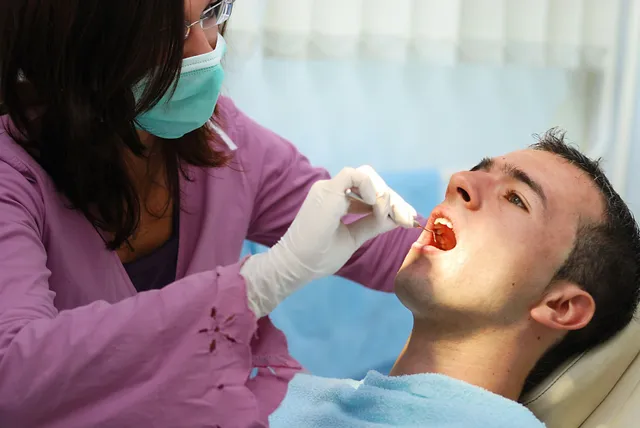
- Routine dental examinations and cleanings: These visits keep plaque from hardening into tartar and catch problems before they become emergencies.
Every one of these tools works best when used consistently, starting young.
The Real Cost of Waiting
Some parents assume a child's tooth pain will resolve on its own. It rarely does. Decay progresses silently, and by the time a child complains of discomfort, the cavity has often reached a stage that requires a filling or more.
Across Utah, approximately 55,000 emergency department visits occur annually for dental problems. More than half of those visits involve severe abscesses at the tooth root. Emergency rooms are not equipped to treat the root cause. They provide temporary relief, send families home with antibiotics, and the problem returns.
For children, abscesses can affect developing permanent teeth beneath the gum line. Getting ahead of decay with regular check-ups is simply the smarter path.
How Often Should Children Visit the Dentist?
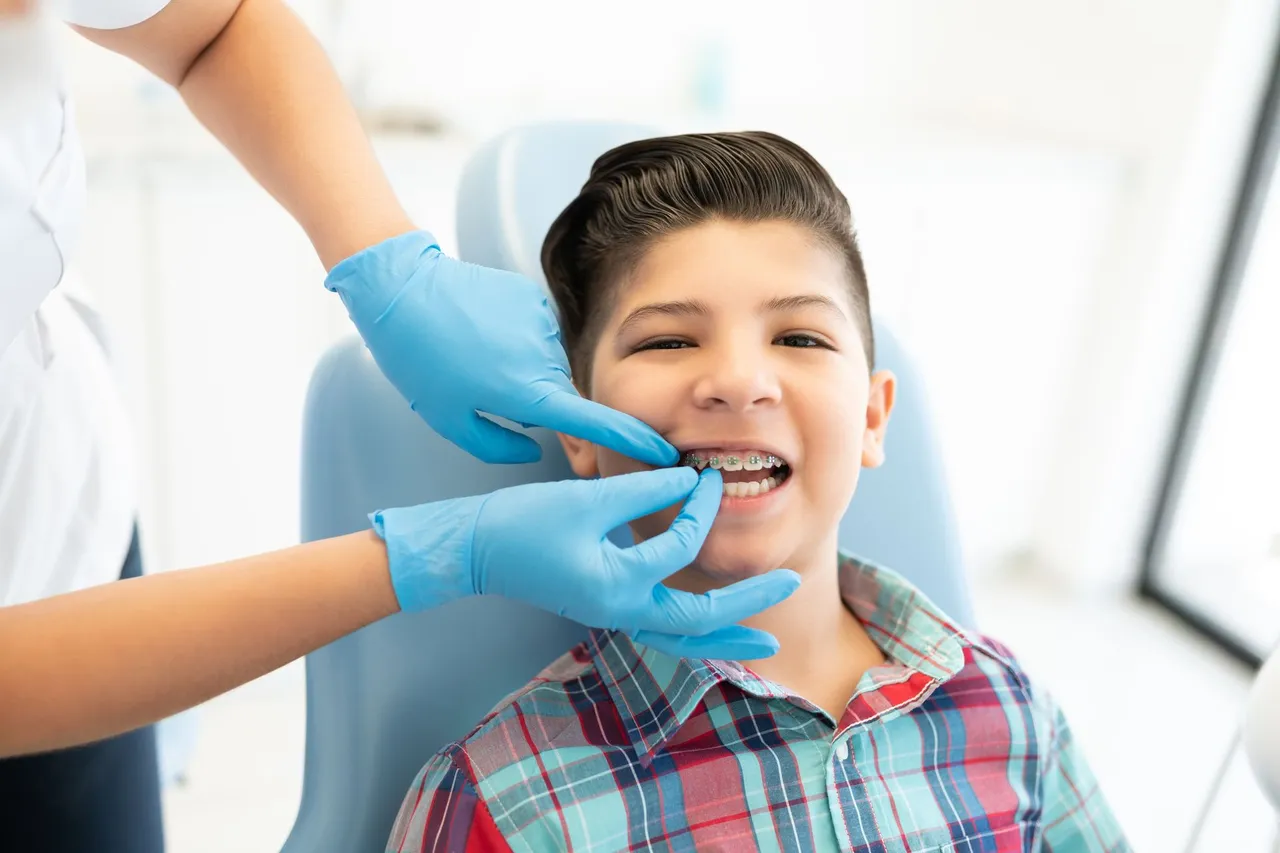
Most children benefit from visiting a dentist every six months. However, kids with higher cavity risk, which includes many Utah children given the current environment, may need more frequent check-ins. Your dentist can assess your child's specific needs and set up a schedule that fits.
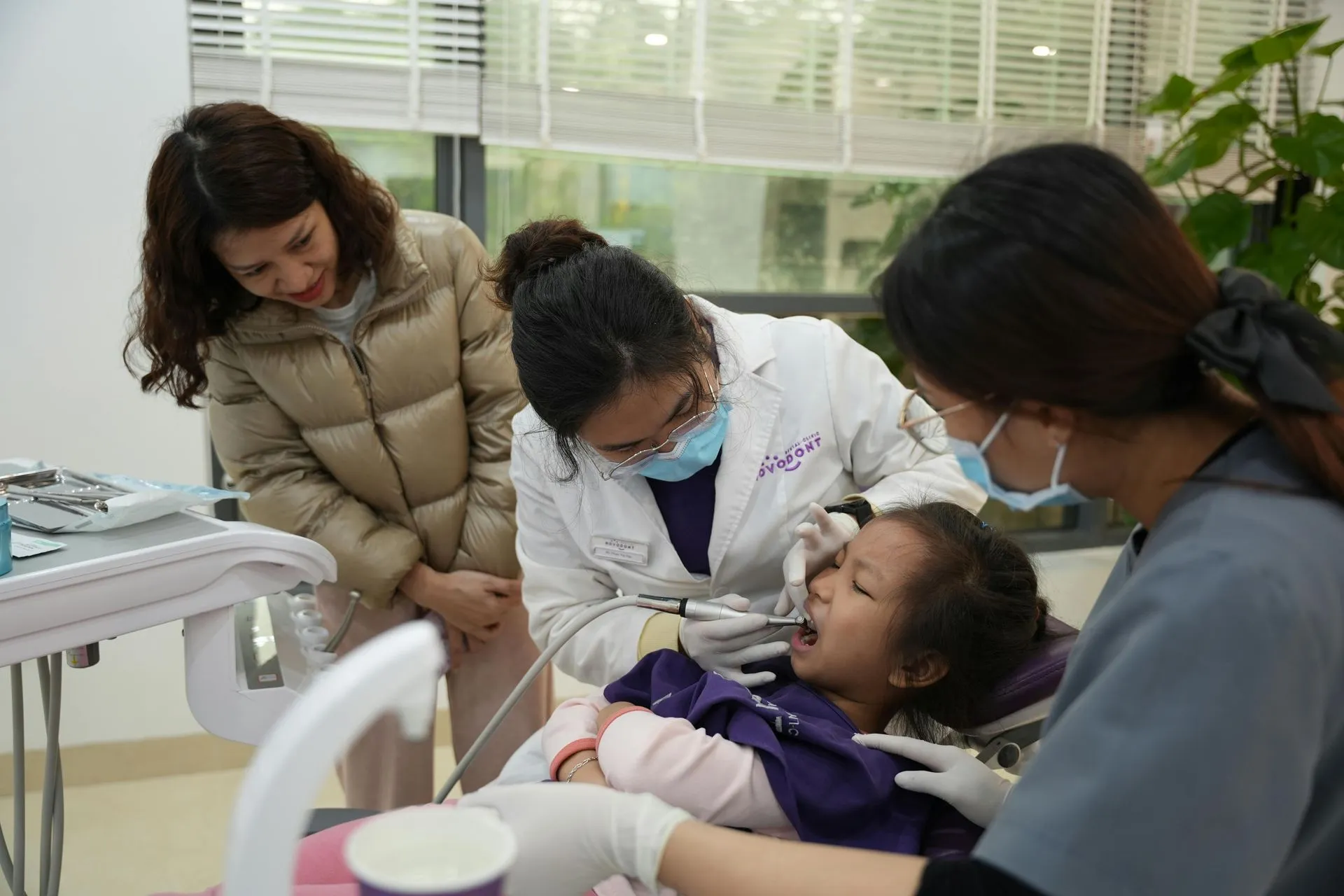
Starting dental visits early builds familiarity and comfort. A child who grows up knowing the dental office as a friendly, routine place is far less likely to avoid care as an adult.
FAQs
At what age should my child first see a dentist?
Most dental professionals recommend a child's first visit around age one or within six months of their first tooth appearing. Early visits let the dentist check development and give parents guidance specific to their child.
Are dental sealants safe for kids?
Yes. Sealants are a thin resin coating applied to the biting surfaces of back teeth. They are considered safe and are widely recommended by pediatric dental organizations as one of the most effective tools for preventing childhood cavities.
My child drinks bottled water. Does that help replace fluoride?
Some bottled water contains fluoride and some does not. Check the label or ask your dentist. Even if your child drinks fluoridated bottled water, the concentration may vary. Professional fluoride treatments provide a more reliable and targeted level of protection.
What if my child is nervous about dental visits?
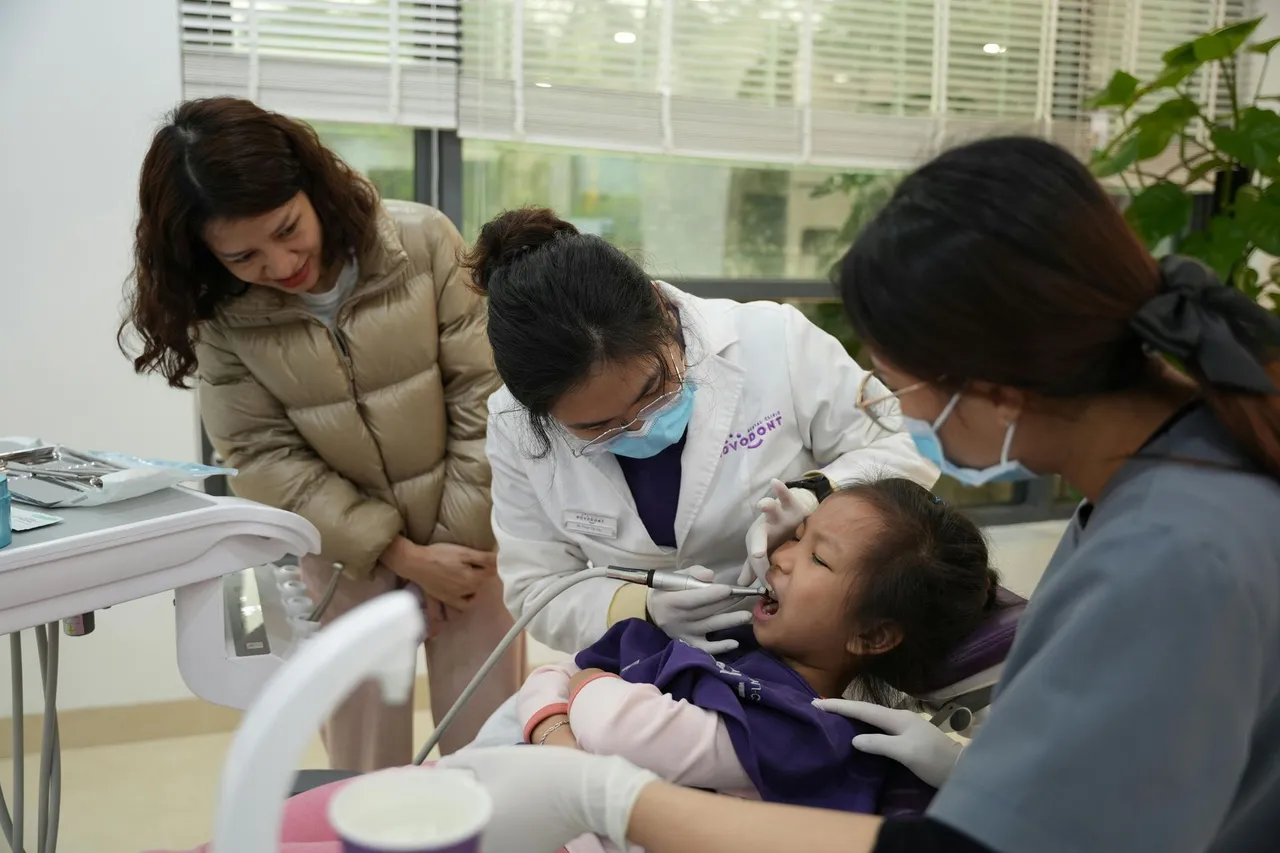
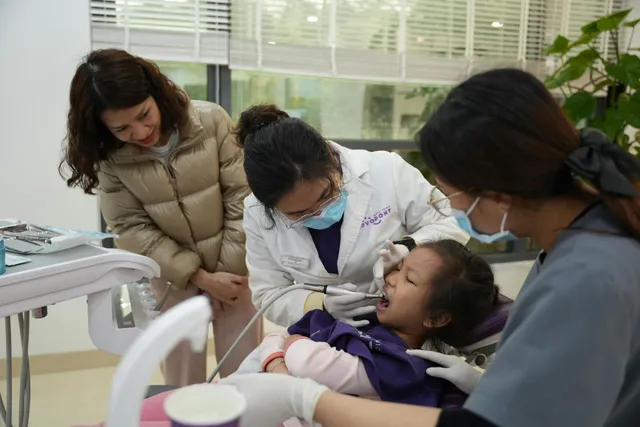
That is completely normal. A pediatric-friendly dental team uses gentle techniques and takes time to explain each step in terms kids understand. Bringing children in for early, low-pressure visits builds trust long before any treatment is needed.
How do I know if my child already has a cavity?
Visible white spots, dark marks, or sensitivity to cold or sweet foods can be signs. Many cavities, though, have no obvious symptoms early on. That is exactly why routine examinations matter so much.
Protecting your child's smile in 2026 takes a little more intention than it once did. The team at Meyer Family Dental is ready to fill that gap. Schedule your child's next visit today and give their teeth the professional support they need to stay healthy for life.