Types of Teeth Fillings: Metal, Ceramic, and More
When it comes to keeping your teeth healthy, teeth fillings are a vital tool in repairing cavities and preventing further damage. Fillings restore the structure and function of a tooth after decay or trauma, allowing you to eat, speak, and smile with confidence. At Meyer Family Dental in West Haven, we provide a variety of filling options, including composite fillings, to meet your dental needs and preferences.
Choosing the right filling can be confusing. With options ranging from metal to ceramic to composite, it is important to understand the differences, benefits, and considerations of each type. In this blog, we will break down the most common types of fillings, explain how they work, and guide you in making the best decision for your oral health.
Why Teeth Fillings Are Important
Cavities and tooth damage are more common than most people realize. Left untreated, decay can progress, causing pain, infection, and even tooth loss. Teeth fillings prevent this by restoring damaged areas of the tooth and protecting it from further decay.
Some key reasons fillings are important include:
- Stopping Tooth Decay: Fillings remove decay and restore tooth strength.
- Restoring Function: A properly filled tooth allows normal chewing and speaking.
- Preventing Future Damage: Fillings protect the tooth from further wear and sensitivity.
- Maintaining Aesthetics: Modern fillings can match your natural tooth color, keeping your smile looking great.
Regular dental checkups and prompt treatment of cavities are essential to avoid more extensive procedures like root canals or extractions. Fillings are often a quick and effective solution that can save both your tooth and your wallet.
Think of a filling as a small patch on your roof. It might seem minor, but it prevents bigger problems like leaks and structural damage. Similarly, timely fillings keep your teeth strong and healthy.
Types of Teeth Fillings
There are several types of teeth fillings, each with unique characteristics and benefits. Here’s an overview of the most common options:
1. Amalgam or Metal Fillings
Metal fillings, also known as amalgam, have been used for over a century. They are made from a combination of metals including silver, mercury, tin, and copper.
- Best for: Back teeth that require strong, durable material.
- Benefits: Highly durable, cost-effective, long-lasting.
- Considerations: More noticeable than other fillings, may expand or contract slightly with temperature changes, can contain mercury.
Metal fillings are excellent for patients who need strength over appearance. They are particularly suited for molars that undergo heavy chewing pressure.
2. Composite Fillings
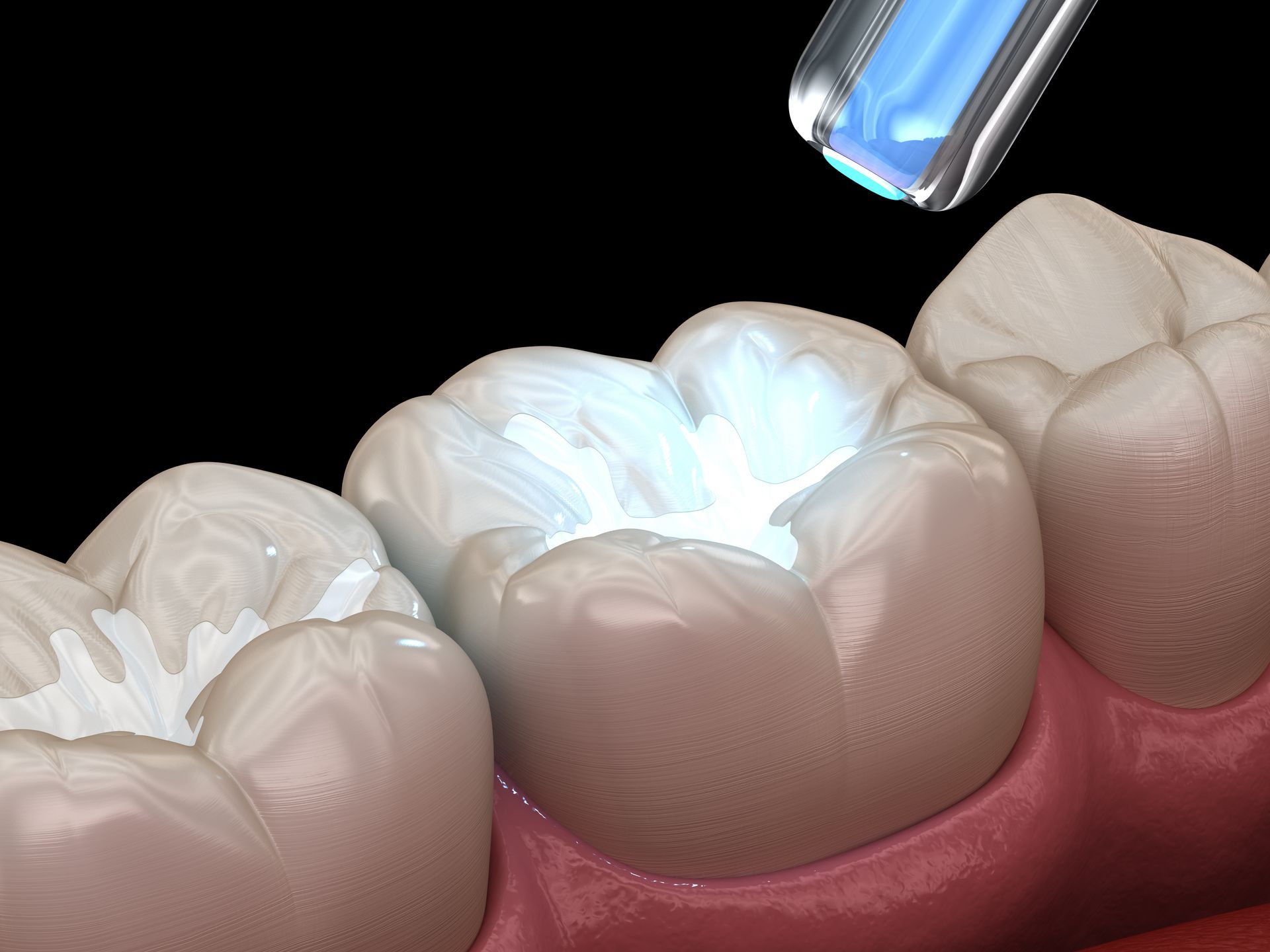
Composite fillings are made from a tooth-colored resin that blends seamlessly with your natural teeth. These fillings have grown in popularity due to their aesthetic appeal and versatility.
- Best for: Front teeth or visible areas where appearance matters.
- Benefits: Blends with natural teeth, bonds directly to the tooth structure, versatile for various cavity sizes.
- Considerations: Slightly less durable than metal fillings for large cavities, may need replacement over time.
Composite fillings not only restore teeth but can also be shaped to improve the appearance of a smile, making them an ideal choice for patients seeking both function and beauty.
3. Ceramic Fillings
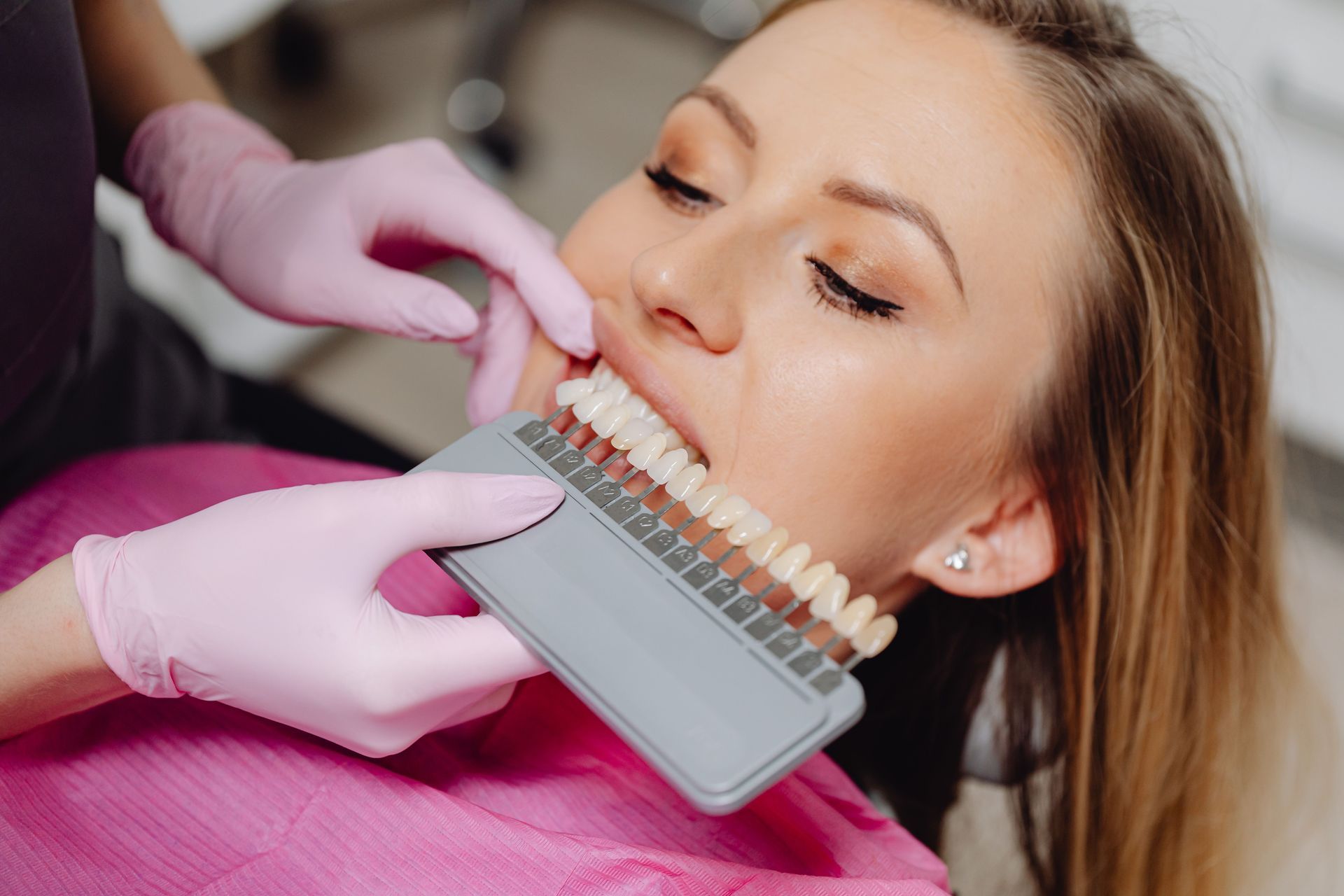
Ceramic fillings, often made from porcelain, are another tooth-colored option. They are highly resistant to staining and wear, making them a strong and visually appealing choice.
- Best for: Patients seeking long-lasting, natural-looking fillings.
- Benefits: Strong and durable, resistant to discoloration, looks natural.
- Considerations: Typically more expensive than composite or metal fillings, requires more than one dental visit in some cases.
Ceramic fillings are often preferred for larger cavities or for teeth in highly visible areas where appearance is important.
4. Glass Ionomer Fillings
Glass ionomer fillings are made from a mix of acrylic and glass, releasing fluoride over time to help protect the tooth from further decay.
- Best for: Children’s teeth or areas that are not under heavy chewing pressure.
- Benefits: Releases fluoride, gentle on teeth, bonds well to enamel.
- Considerations: Less durable than other fillings, may wear faster in high-pressure areas.
These fillings are often used for baby teeth or in situations where fluoride release is a benefit.
Choosing the Right Filling for You
Selecting the right type of filling depends on several factors including the location of the cavity, your budget, and cosmetic preferences.
Here are some things to consider:
- Location of Tooth: Back teeth need stronger, more durable materials due to chewing pressure, while front teeth may benefit from tooth-colored materials for aesthetics.
- Size of Cavity: Larger cavities may require stronger materials like metal or ceramic.
- Cost Considerations: Metal fillings tend to be the most affordable, while ceramic and composite options may be more expensive but offer better appearance.
- Durability Needs: Consider how long you want the filling to last and how much wear it will experience.
Your dentist will evaluate your specific situation and recommend the best option for your oral health and lifestyle. Often, a combination of materials is used to achieve optimal results for different areas of the mouth.
Call Meyer Family Dental for Expert Teeth Fillings in West Haven, UT
At Meyer Family Dental, we understand the importance of restoring teeth safely and effectively. Whether you need composite fillings, metal fillings, or ceramic options, our team provides personalized care to meet your needs and preserve your smile. We are committed to making each procedure comfortable and convenient, helping you maintain a healthy, confident smile. Call us today at (801) 731-5600 to schedule an appointment for professional teeth fillings and enjoy the benefits of modern dental care.
In addition to
teeth fillings, we offer a comprehensive range of
dental health services including
dental examinations and cleanings,
root canal therapy, and
cosmetic dentistry. Our family-focused approach ensures that patients of all ages receive gentle, high-quality care that protects both oral health and overall well-being. Let us help you maintain strong teeth and a bright smile for years to come.
FAQs
How do I know if I need a filling?
If you have a cavity, visible decay, or tooth pain, a dentist can evaluate and determine if a filling is necessary.
Are composite fillings durable?
Yes. Composite fillings are strong and last many years with proper care. They are ideal for visible areas of the mouth.
Do fillings hurt?
The procedure is usually painless due to local anesthesia. You may experience slight sensitivity afterward, which is temporary.
How long do teeth fillings last?
Metal fillings can last 10–15 years, while composite and ceramic fillings typically last 5–10 years depending on wear and oral hygiene.
Can fillings be replaced if they wear out?
Yes. Old or damaged fillings can be replaced to restore tooth function and prevent further decay.