

Dental Sealants for Kids: Stop Cavities Early
Two-thirds of Utah children between ages 6 and 9 have already experienced tooth decay. That number is striking, but it is also preventable. Dental sealants for kids are one of the most effective tools a parent can use to protect young smiles before cavities even get started.
Meyer Family Dental Roy Utah sees families from West Haven, Roy, Hooper, Clinton, Syracuse, and across Weber County who want to get ahead of childhood decay. Sealants are often the first conversation we have after a child's permanent molars come in. Here is what every parent in the area should know.
What Are Dental Sealants and How Do They Work?
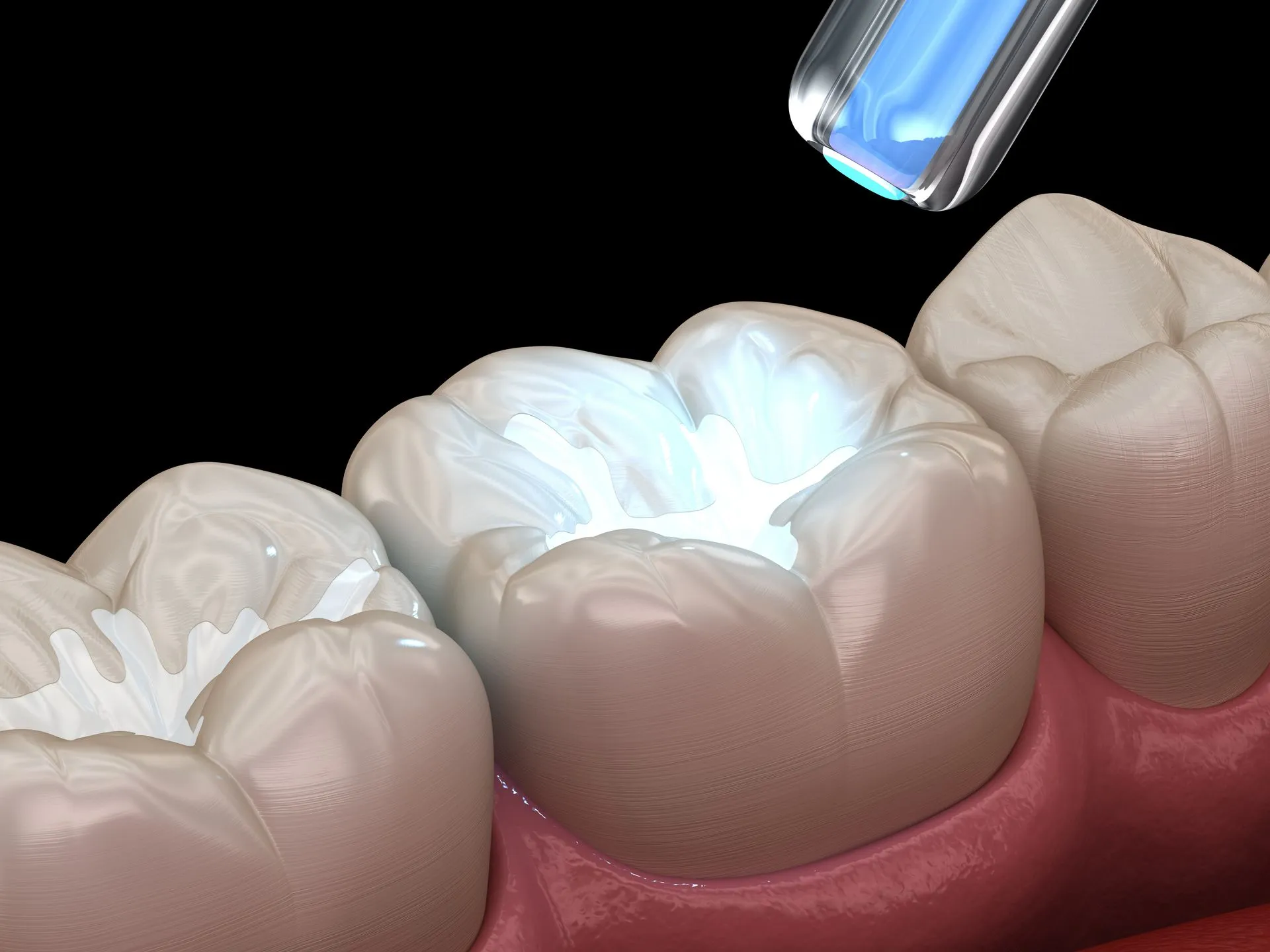
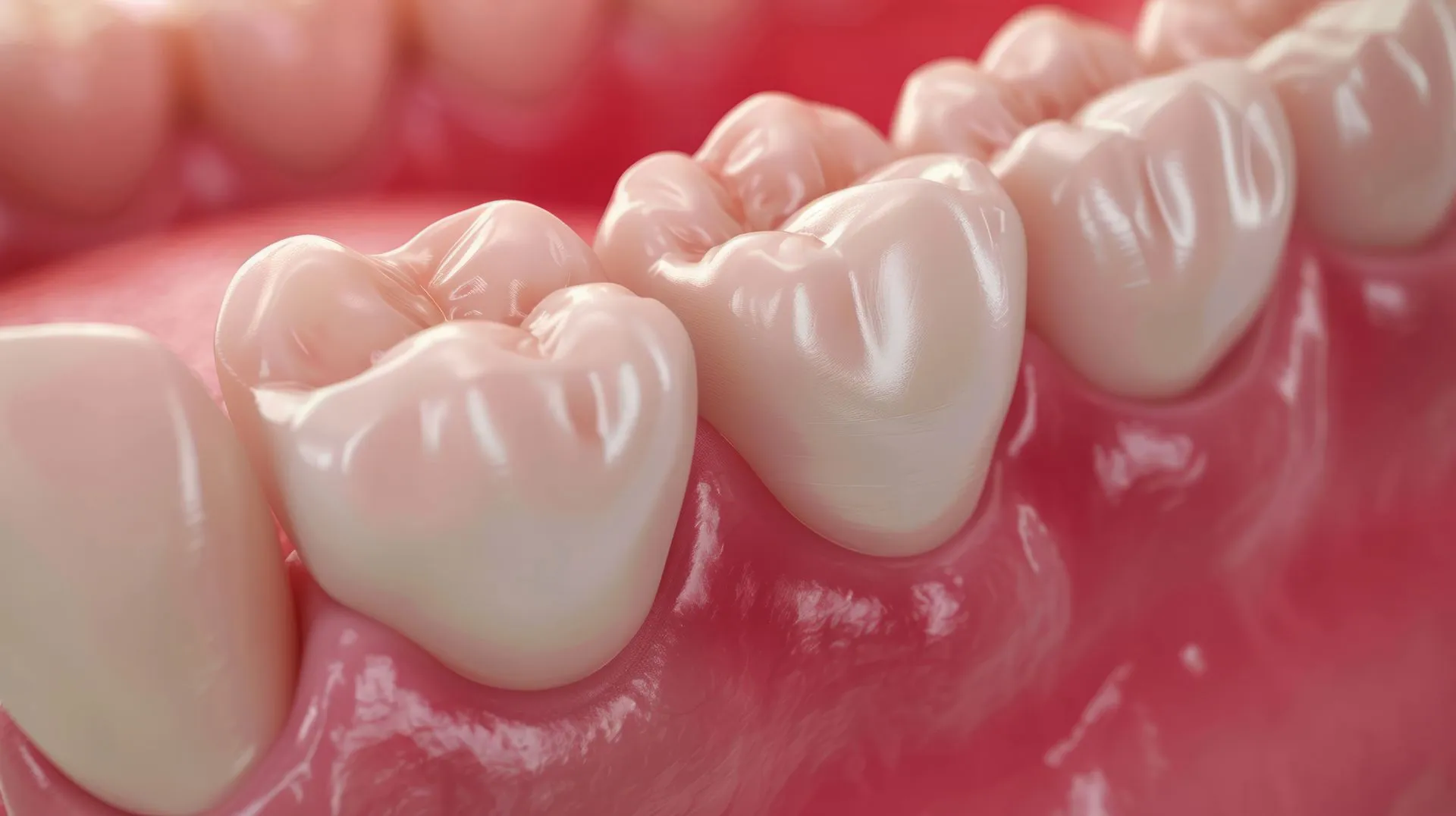
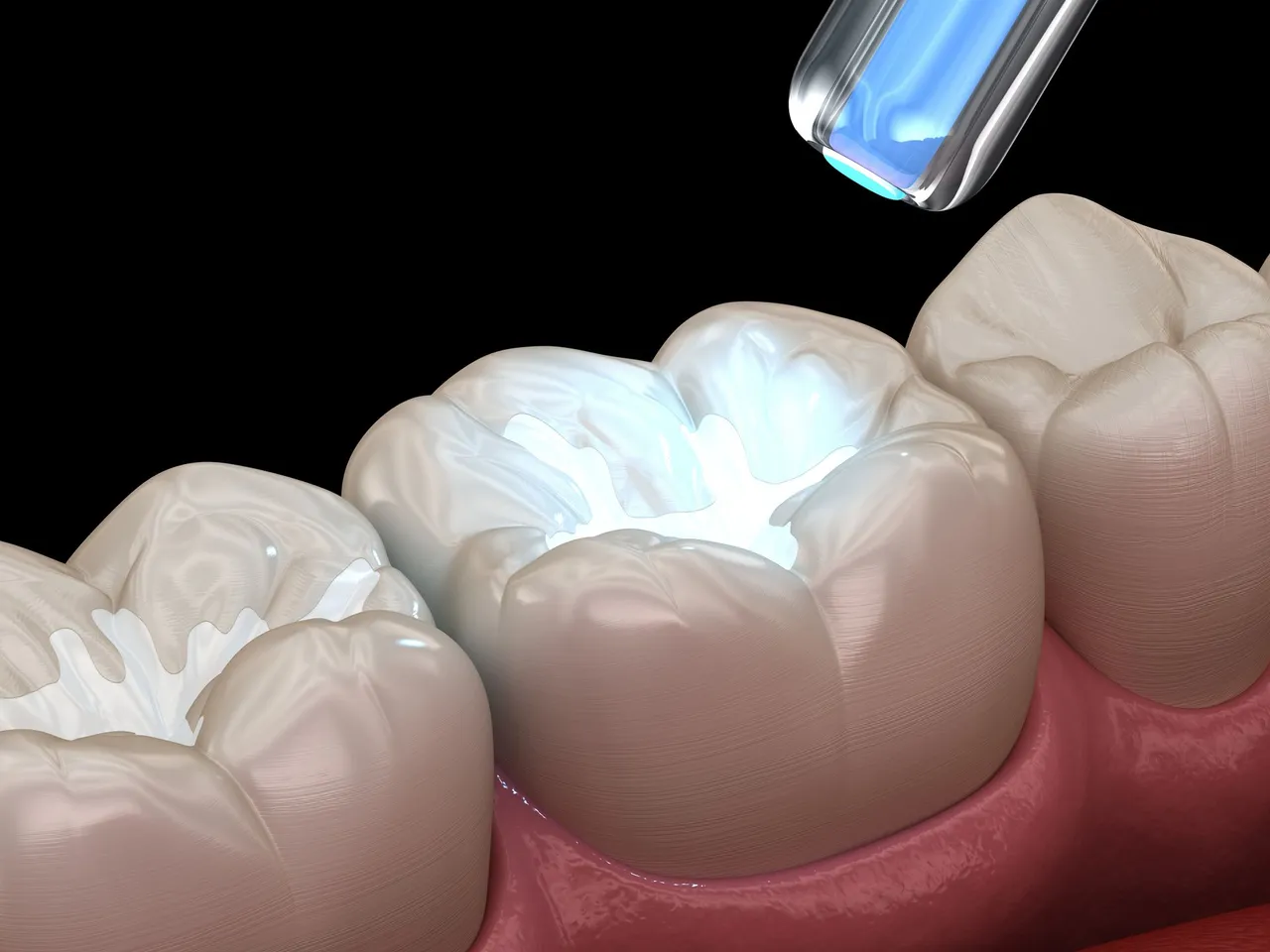
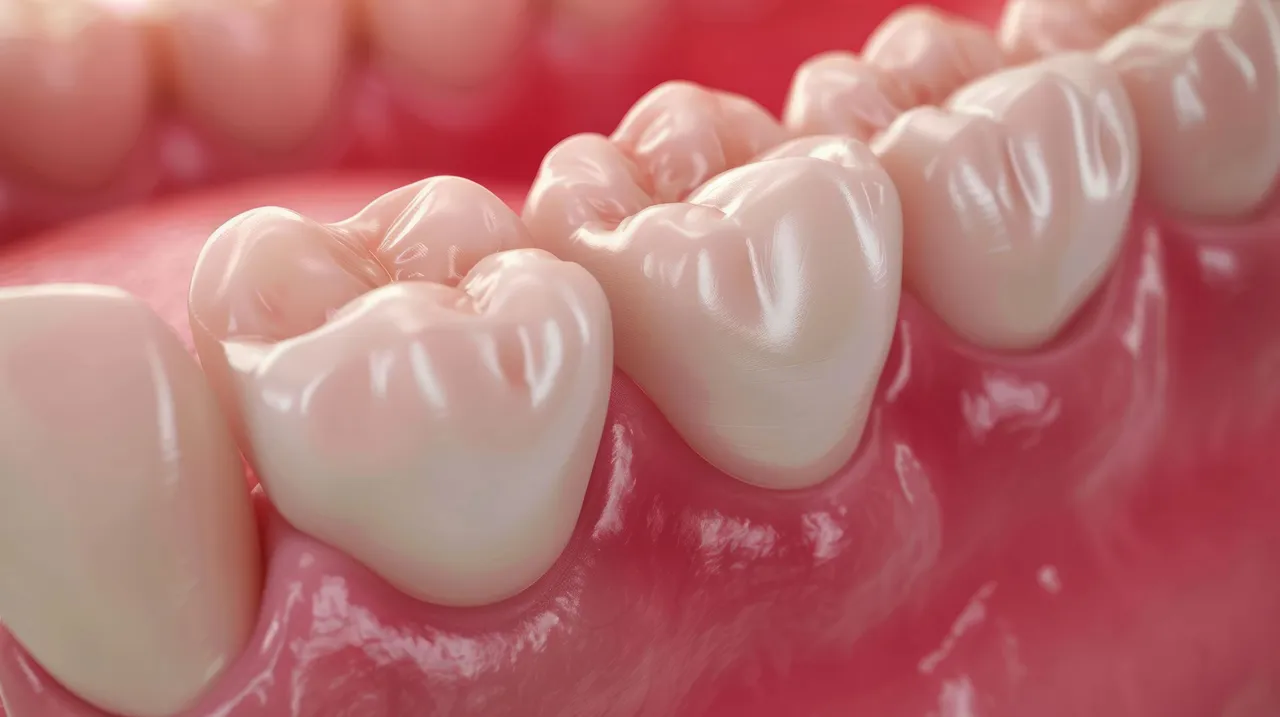
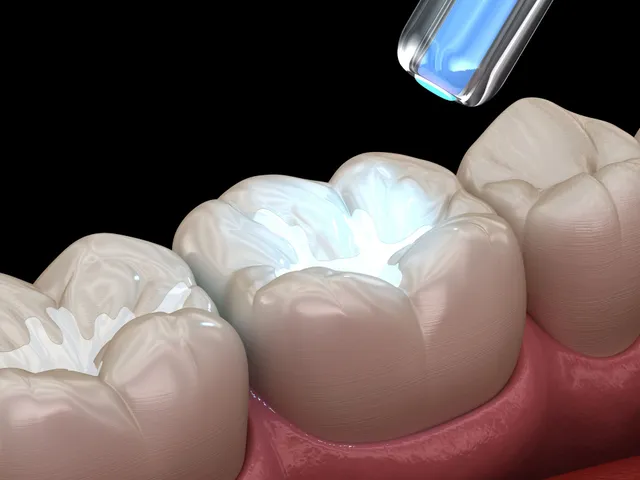
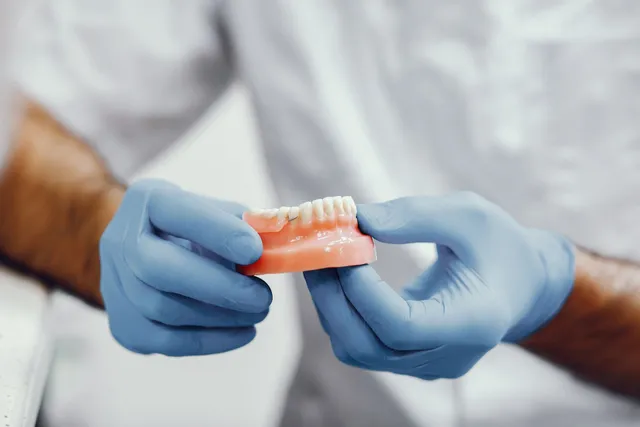
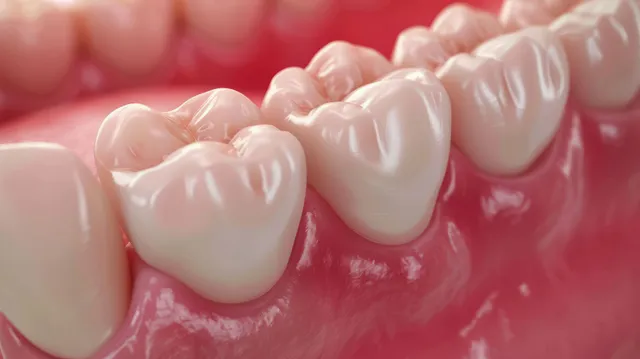
A dental sealant is a thin, protective coating painted onto the chewing surfaces of permanent back teeth. The material bonds directly into the grooves and pits of each molar. Think of it as a shield.
Back molars are naturally full of tiny grooves. Food and bacteria settle into those grooves constantly. Brushing helps, but it cannot always reach every crevice. Sealants seal those areas off entirely.
The coating is tooth-colored and smooth. Most children do not even notice it once it is applied.
Why Back Molars Are the Top Target
The chewing surfaces of permanent molars carry most of the decay risk. The grooves are deep, and children often lack the brushing technique to clean them thoroughly. This makes them the most cavity-prone teeth in a child's mouth.
Sealants are almost always applied to these back teeth specifically. That targeted approach gives parents a precise, cost-effective defense against the most common site of childhood decay.
The Right Age to Ask About Sealants
The first permanent molars typically arrive around age 6. The second set comes in around age 12. Dentists generally recommend applying dental sealants for kids as soon as each molar fully erupts.
Acting quickly matters. A sealant applied to a clean, freshly erupted molar prevents decay from ever taking hold. Waiting until a cavity appears means the window for prevention has already closed.
A good rule of thumb for West Haven and Roy parents:
- Ages 6-7: Ask about sealing the first permanent molars
- Ages 11-13: Ask about sealing the second permanent molars
- Any age: Ask if any back teeth have deep grooves still unprotected
What Happens During a Sealant Appointment?
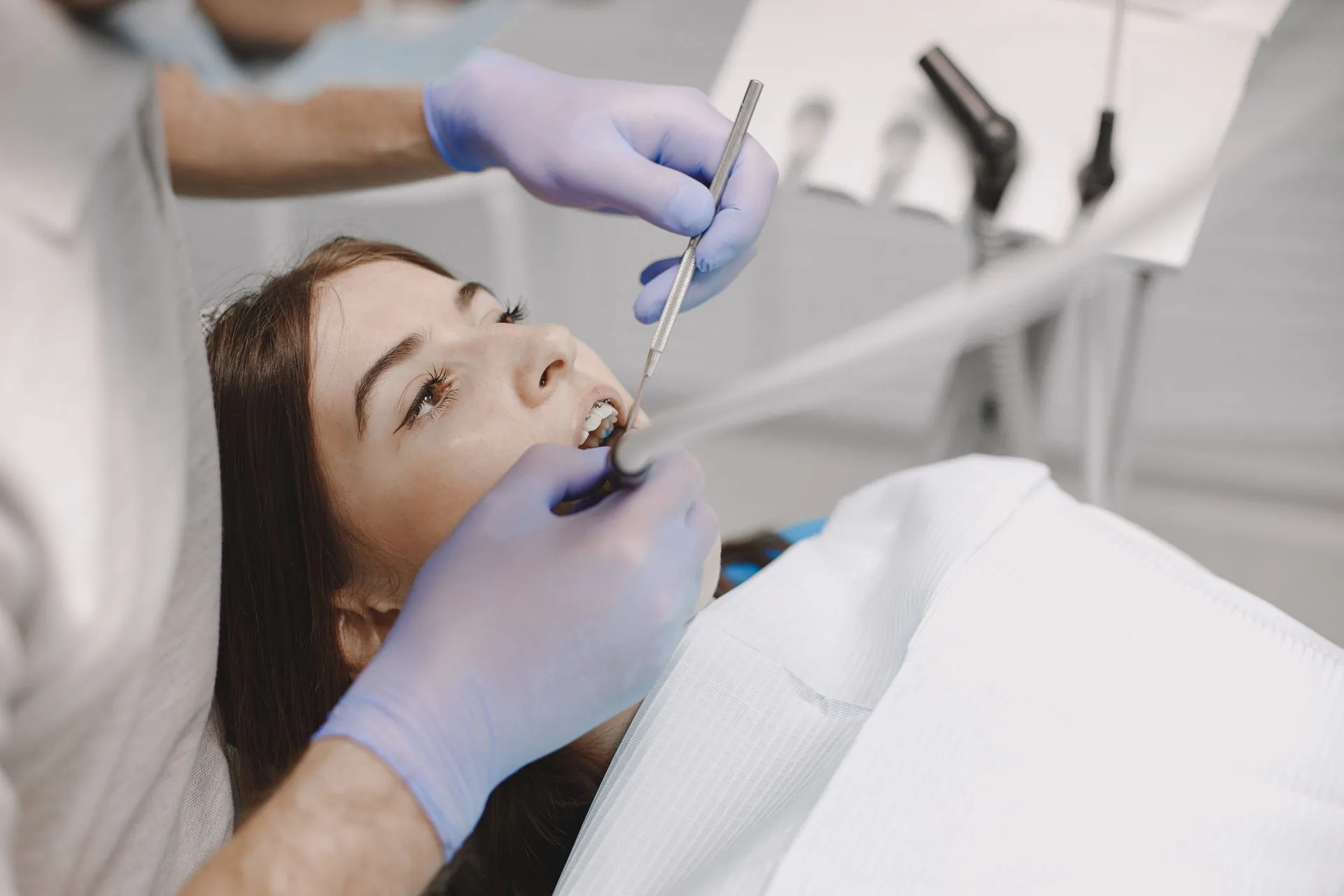
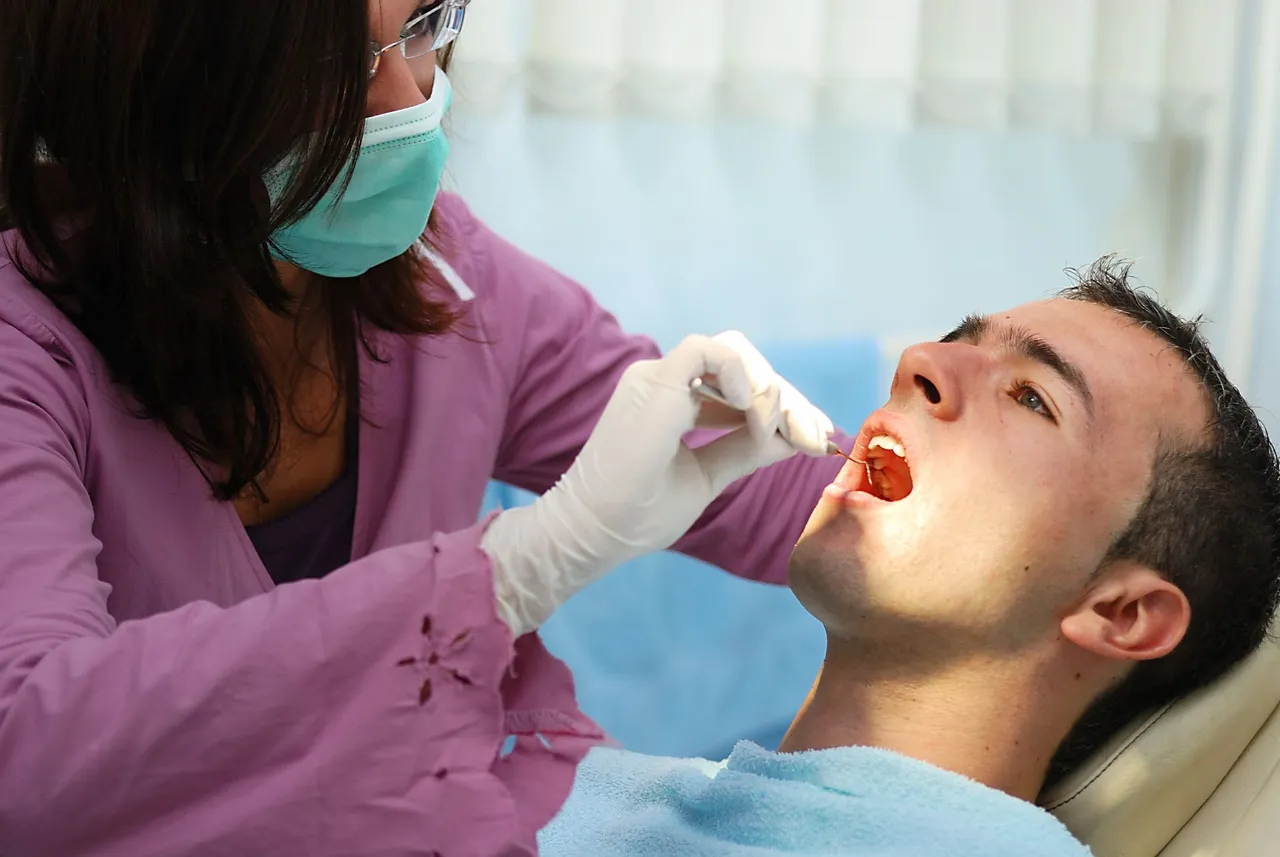
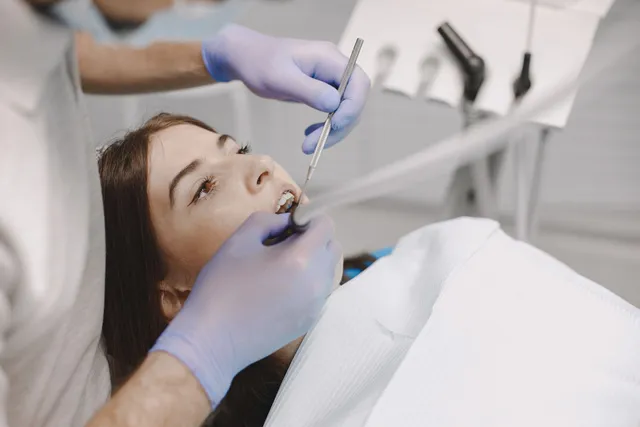
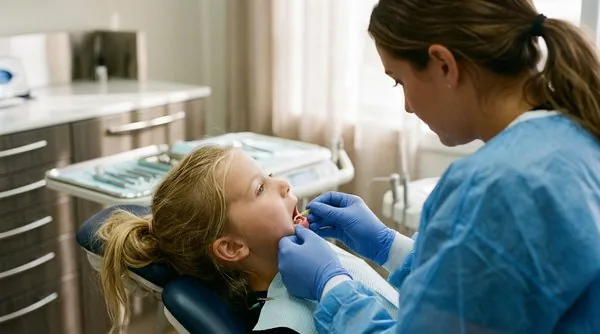
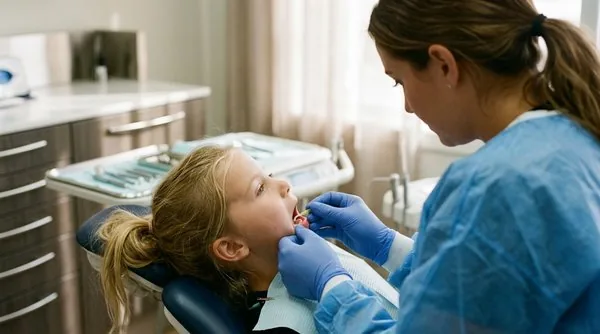
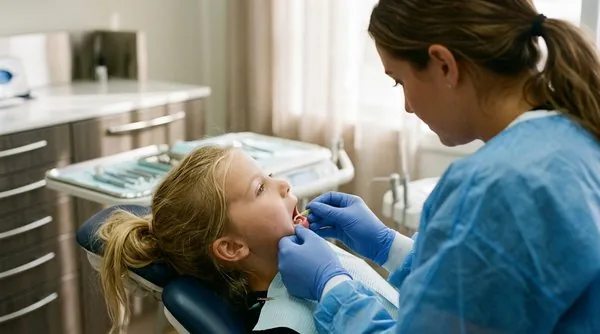
The process is fast, painless, and straightforward. No drills. No needles. No discomfort. Most children leave the appointment wondering what all the fuss was about.
Here is a simple overview of how it works:
- The tooth is cleaned and dried thoroughly
- A mildly acidic gel is applied briefly to help the sealant bond
- The tooth is rinsed and dried again
- The sealant material is painted on
- A special curing light hardens the coating in seconds
The entire appointment, for all four molars, typically takes less than 30 minutes.
How Long Do Sealants Last?
With proper care, sealants can last many years. They hold up well through normal chewing. Your child's dentist will check the sealants at each routine exam and can reapply them if any section chips or wears down.
This is one more reason routine bi-annual exams matter. Catching a worn sealant early is a simple fix. Catching a cavity that formed because a sealant failed unnoticed is a much bigger one.
Sealants as Part of a Bigger Preventive Picture
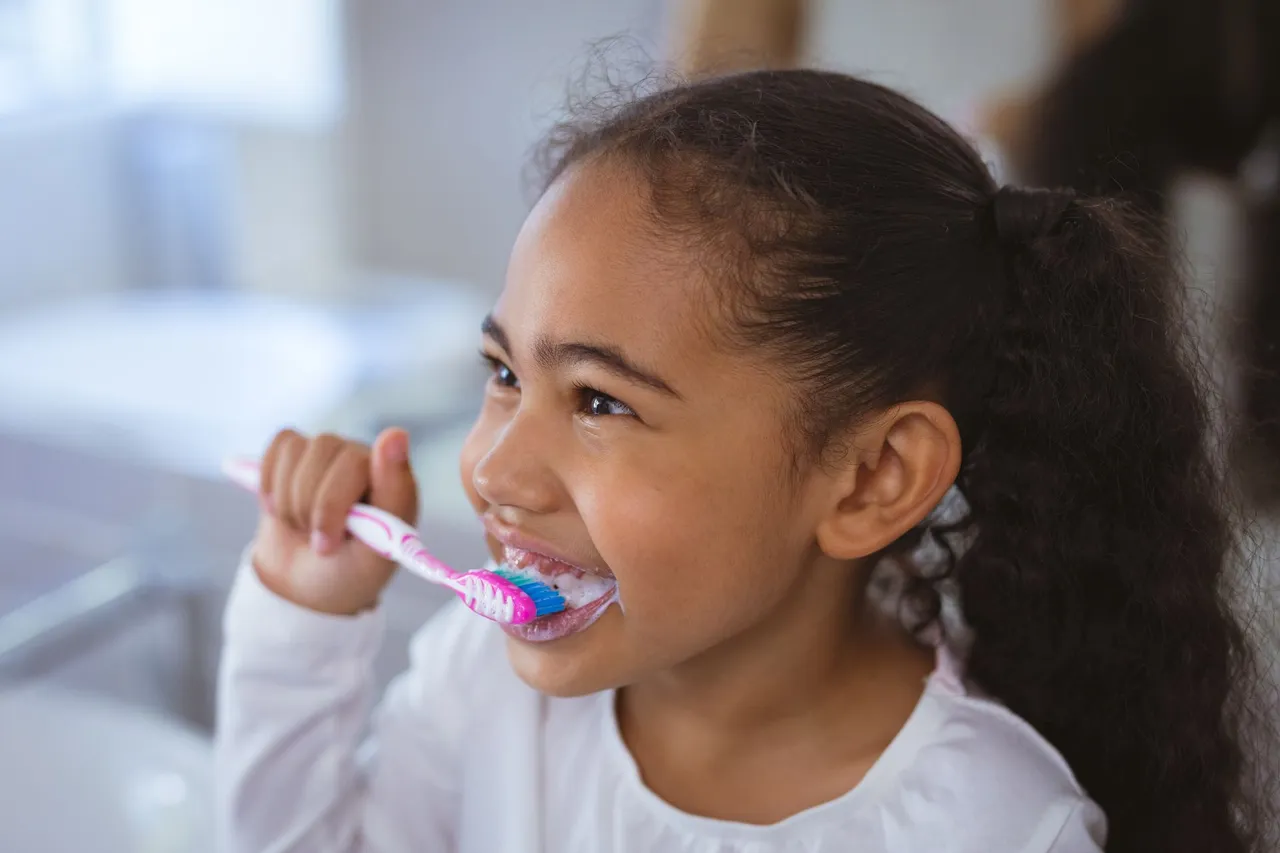
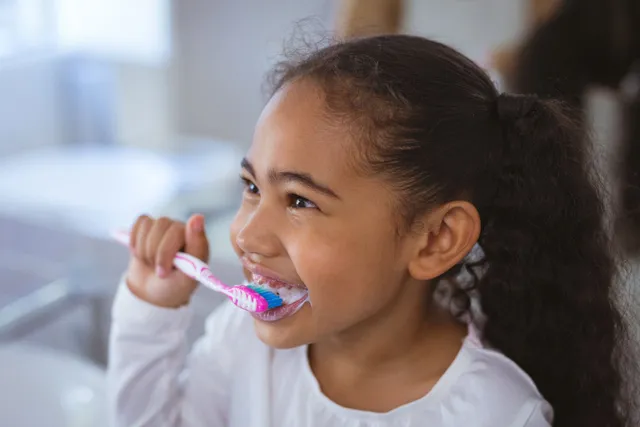
Sealants are powerful, but they work best as one layer of protection, not a substitute for everything else. Brushing twice daily with fluoride toothpaste, flossing, and keeping up with professional cleanings all remain essential.
Statewide data shows nearly 1 in 5 Utah children has untreated cavities. The communities of West Haven, Roy, and the broader Weber County area are not immune to that reality. Preventive care, including sealants, is the most direct way families can push back against those numbers.
At Meyer Family Dental, we celebrate kids who keep their teeth cavity-free. Our No Cavity Club is a fun way to recognize the hard work kids and parents put into great oral hygiene habits.
Sealants vs. Fillings: Understanding the Difference
A sealant is placed on a healthy tooth to prevent decay. A filling is placed after decay has already damaged the tooth structure. These are not the same procedure, and one is far preferable to the other.
Sealants are preventive. Fillings are restorative. Prevention is always faster, less uncomfortable, and less expensive than treatment.
If your child has already had a cavity filled, sealants can still protect the remaining healthy molars. It is never too late to seal the teeth that have not yet been affected.
FAQs
Are dental sealants safe for children?
Yes. Dental sealants are considered safe and effective for children. They have been used in pediatric dentistry for decades and are recommended by dental health organizations across the country as a standard preventive measure.
Will my child feel anything during the sealant application?
No. The procedure is completely painless. There are no injections and no drilling involved. Most children are comfortable throughout the appointment and describe the experience as easy.
Do sealants replace the need for brushing and flossing?
No. Sealants protect the chewing surfaces of back teeth, but they do not cover every surface of every tooth. Daily brushing and flossing remain essential habits for full-mouth protection.
Can sealants be applied over a tooth that already has a small cavity?
In most cases, no. A sealant requires a clean, decay-free surface to bond properly. If early decay is present, your dentist will address it first. This is another reason why catching decay early at routine exams matters so much.
How do I know if my child's sealants are still intact?
Your child's dentist will check sealants at every routine exam. You do not need to monitor them yourself. Just keep up with regular appointments and the dental team will handle the rest.
Protecting your child's teeth does not have to be complicated. Schedule an appointment today and ask our team whether your child is ready for sealants. Book your child's visit at Meyer Family Dental and take the first step toward a cavity-free future.